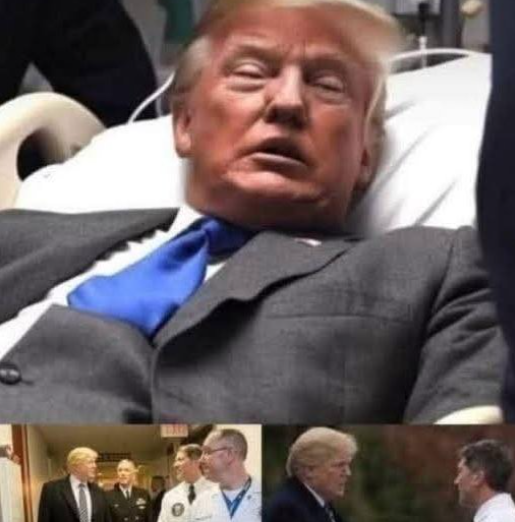
In recent days, social media platforms have been flooded with sensationalist headlines claiming that former President Donald Trump was “shot again minutes ago” in Washington D.C. or other various locations. As a journalistic necessity, it must be stated clearly: there is no credible evidence, official report, or verified news story supporting these claims. These rumors, often circulated through unverified YouTube clips, TikTok videos, and X (formerly Twitter) posts, represent a significant surge in digital misinformation designed to exploit high-tension political environments for clicks and engagement.
To understand the current climate of misinformation, we must look back at the only verified shooting incident involving the former president. On July 13, 2024, during a campaign rally in Butler, Pennsylvania, a gunman positioned on a nearby rooftop opened fire with an AR-style rifle. This event was a confirmed assassination attempt where Donald Trump was grazed in the right ear. The attack resulted in the tragic death of a rally attendee and left others seriously injured. The United States Secret Service neutralized the shooter at the scene, and the incident was exhaustively documented by global news agencies such as the Associated Press, Reuters, and the BBC. Since that day, there has been no second shooting involving the former president, despite what viral headlines might suggest.
The confusion among the public is often exacerbated by secondary security incidents that are frequently misrepresented by bad actors online. For instance, in September 2024, a security scare occurred near one of Donald Trump’s golf clubs in Florida. While gunshots were fired in the vicinity and the Secret Service responded with immediate force, Donald Trump was not harmed, nor was he the direct target of a hit in the same manner as the Pennsylvania event. Furthermore, reports from early 2025 regarding a shooting near the White House involving members of the National Guard have been conflated with the former president’s personal safety. While he commented on those events publicly, he was not a victim in that situation.
The spread of these “shot again” rumors highlights a systemic issue with digital information literacy. Platforms like Facebook and YouTube allow for the rapid dissemination of content that uses “shock value” to trigger emotional responses. When users see a headline claiming a major political figure has been attacked, the physiological response often leads to immediate sharing before verification can occur. This “engagement-first” model rewards sensationalism over accuracy, allowing fabricated stories to reach millions of people before official fact-checkers can intervene. Journalistic integrity requires a reliance on outlets with rigorous editorial standards, such as The New York Times, PBS, and CBS News, which do not report on such grave matters without multiple layers of confirmation.
Ultimately, the key takeaway for the public is to maintain a critical mindset when consuming “breaking news” from non-traditional sources. If an event as monumental as another shooting involving Donald Trump were to occur, it would result in an immediate, coordinated report from every major global news bureau and official statements from the White House or the Federal Bureau of Investigation (FBI). The absence of such reporting is, in itself, a confirmation that these viral claims are false. In an era of instant information, the distinction between a verified fact and a viral rumor is the foundation of a well-informed society.