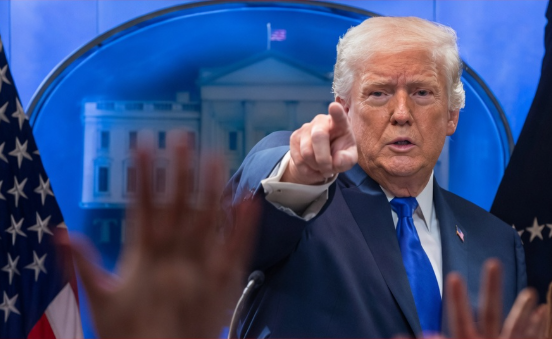
Federal prosecutors have initiated a comprehensive legal pursuit against former President Donald Trump, alleging a sophisticated effort to subvert the lawful transfer of power. The indictment centers on critical counts including conspiracy to defraud the United States and obstruction of an official proceeding. Unlike standard political rhetoric, the prosecution frames these actions as a deliberate, coordinated campaign to interfere with the federal electoral process and undermine government outcomes following the presidential election.
This landmark case addresses profound constitutional questions concerning the limits of executive authority. Legal analysts suggest the trial will hinge on distinguishing between protected political expression and illicit criminal conduct. In response, Trump’s legal team has dismissed the charges as a politically motivated overreach, maintaining that the former president’s actions fell within the realm of lawful advocacy and protected free speech under the First Amendment. As the case moves through pre-trial motions and potential appeals, it continues to intensify national polarization. While many view the prosecution as a vital exercise in accountability for high-ranking officials, critics warn it may inadvertently criminalize political dissent. Ultimately, the judiciary’s final ruling is expected to establish a definitive precedent regarding presidential conduct and how the American legal system handles contested elections and post-election disputes in the modern era.