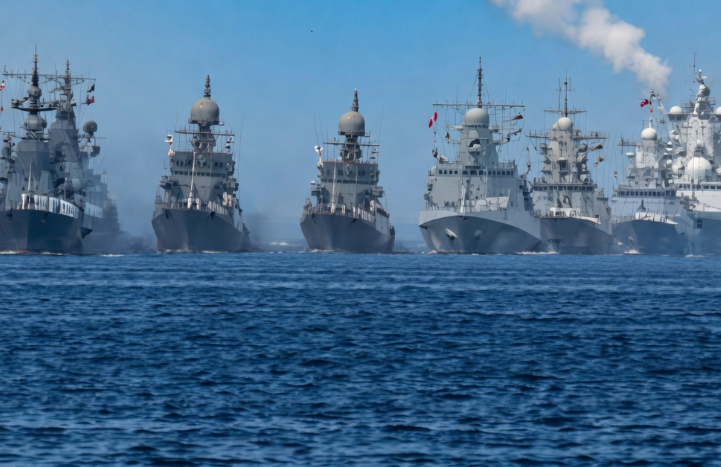
In an era defined by the rapid dissemination of information through social media, rumors regarding a new United States war have proliferated, causing significant public concern. However, a professional analysis of current events reveals a reality far removed from the alarmist rhetoric found online. Rather than entering a new phase of large-scale combat, the United States is currently navigating a complex period of strategic military positioning and diplomatic engagement. Understanding the legal and operational differences between targeted military actions and a formal declaration of war is essential for maintaining a clear perspective on global security.
A primary example of this ongoing diplomatic effort is found in the Russia–Ukraine Conflict. Despite the intensity of the kinetic battleground, high-level officials from the United States, Russia, and Ukraine recently participated in trilateral discussions held in the United Arab Emirates. These talks signify that communication channels remain open at the highest levels of government. Experts in international relations emphasize that diplomatic engagement is a standard tool used to prevent unintended escalations, even when active hostilities are underway. Such meetings should be interpreted as attempts to find a peaceful resolution rather than signs of an expanding war.
Similarly, the relationship between the United States and Iran has shifted toward a strategy of indirect negotiations. Recent talks hosted in Oman have been described as constructive, with both nations seeking to reduce regional friction. This dual-track approach—combining military readiness with discreet dialogue—is a hallmark of modern American foreign policy. By engaging in these discussions, the U.S. aims to ensure regional stability without the need for direct military confrontation. This highlights the vital role that preventative diplomacy plays in contemporary geopolitics, acting as a safeguard against the spark of broader conflicts.
To understand the current climate, it is also necessary to recognize how the nature of war has evolved since World War II. Historically, wars were defined by formal declarations and total national mobilization. However, in the modern landscape, the United States typically operates under congressional authorizations or international mandates. Modern engagements are often limited in scope, targeted toward specific security objectives, and conducted alongside international coalitions. This shift in doctrine allows the government to address security threats in a surgical manner, which is distinctly different from the sustained, broad-scale combat operations typically associated with the term “war.”
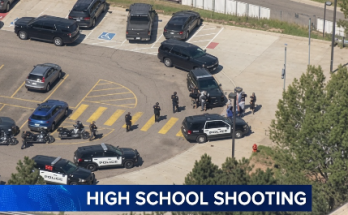
Furthermore, domestic security concerns, such as recent incidents in Minnesota, are often misinterpreted by the public as part of a larger military narrative. While these events are critical, they are generally managed by local and state authorities as matters of public safety. However, in the digital age, local law enforcement actions can sometimes be conflated with national security planning. Authorities continue to monitor these situations closely, ensuring that responses remain proportionate and that public safety is prioritized without unnecessary military intervention.
The current wave of online misinformation regarding a “new war” often relies on alarmist language and a lack of credible sourcing. These narratives frequently oversimplify complex geopolitical maneuvers, turning strategic movements into misleading headlines. Experts urge the public to verify information through official government statements and trusted news organizations. By identifying the common characteristics of misinformation—such as emotional manipulation and the absence of confirmation—individuals can better navigate the digital landscape and avoid the pitfalls of unnecessary panic.
Ultimately, diplomacy remains the primary instrument for managing international tensions. Whether through talks in the United Arab Emirates or Oman, the United States continues to prioritize de-escalation and strategic dialogue. The distinction between defensive actions and a formal declaration of war is not merely semantic; it defines the scope of national commitment and the legal framework of international relations. By focusing on verified facts and the nuances of modern statecraft, it becomes clear that while the world remains a challenging place, the United States is focused on stability rather than the commencement of a new, unverified conflict.