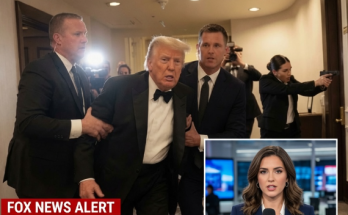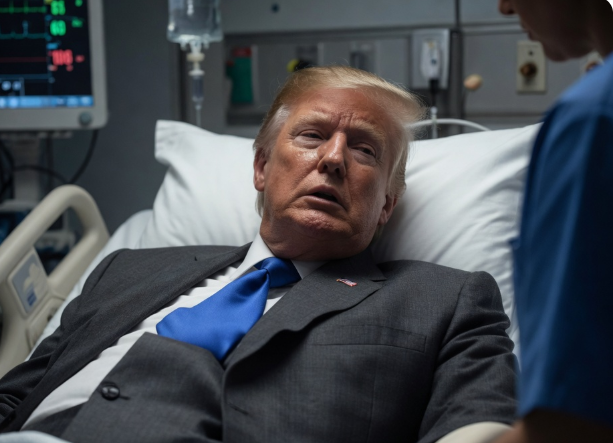
In the rapidly evolving landscape of digital media, a wave of misinformation has recently surfaced, falsely claiming that Donald Trump was “shot again” in Washington, D.C. These reports, often titled with sensational phrases like “Shock in D.C.” or “Shot AGAIN 20 minutes ago,” have been identified as entirely baseless. As a professional journalist would note, these claims primarily originate from unverified YouTube clips and social media posts on platforms like X and TikTok, designed to exploit emotional triggers for clicks. No credible news organizations, including the Associated Press, Reuters, or the BBC, have corroborated these reports, underscoring a significant gap between viral rumors and verified reality.
To understand why these rumors gain traction, one must look at the historical context of actual security threats. The only verified shooting incident involving the former president occurred on July 13, 2024, during a campaign rally in Butler, Pennsylvania. In that specific event, a gunman positioned on a nearby rooftop opened fire with an AR-style rifle, resulting in Donald Trump being grazed in the right ear. That attack was a major global event, immediately confirmed by the United States Secret Service and the Federal Bureau of Investigation (FBI). The tragic outcome of that day included the death of an attendee and injuries to others, but it remains the singular confirmed instance of a direct shooting targeting him in recent history.
Confusion in the public sphere is often fueled by separate, non-related security incidents that are frequently misrepresented by bad actors online. For instance, in September 2024, a security scare occurred at a Florida golf club owned by Trump. While shots were fired by the Secret Service after spotting a potential threat, the former president was never harmed, nor was he the target of an actualized shooting on that day. Similarly, reports from 2025 regarding a shooting involving National Guard members near the White House have been taken out of context. While these events were serious and resulted in casualties among service members, Donald Trump was not a victim in those instances, despite the proximity of the events to Washington, D.C.
The mechanics of misinformation rely heavily on the speed of social media and the lack of immediate fact-checking. Platforms are often flooded with recycled footage and misleading headlines that use the urgency of “breaking news” to bypass critical thinking. Journalistic standards require that an event of such magnitude—an attack on a current or former president—would be met with a massive, coordinated reporting effort from every major global outlet. The absence of such coverage is a definitive indicator that the current claims are fraudulent. Furthermore, official statements from the White House or the Secret Service are non-existent regarding any recent shooting, further debunking the viral narrative.
Ultimately, the dissemination of these false reports highlights a broader crisis in media literacy. The analytical view suggests that these hoaxes are crafted to generate revenue through engagement or to sow political discord. Consumers are urged to rely on legacy media outlets like The New York Times, PBS, and CBS, which adhere to strict editorial protocols before publishing life-altering news. In an era where information moves instantly, the distinction between a “viral video” and a “verified report” is the most vital tool for the public. Accuracy must remain the priority over speed, and as of now, there is no evidence to support the claim that Donald Trump has faced a secondary shooting incident.