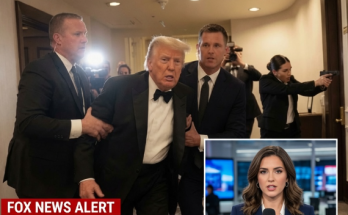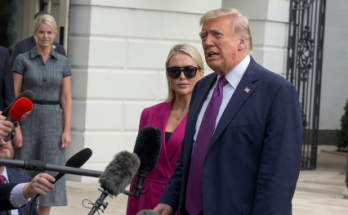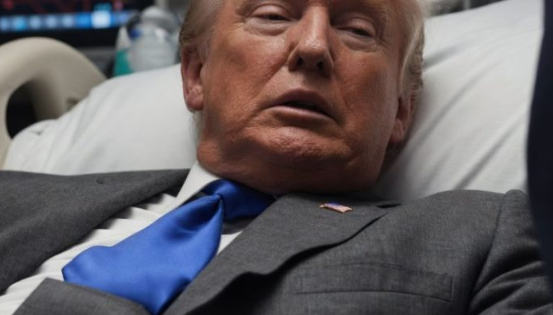
In the high-velocity landscape of modern digital media, sensationalism frequently outpaces accuracy. Recent viral claims alleging that Donald Trump was “shot again minutes ago” in Washington D.C. have flooded social media feeds, causing unnecessary public alarm. However, a professional journalistic review confirms these reports are entirely unsubstantiated. No major news organizations, including the Associated Press, Reuters, or the BBC, have documented any such event occurring today or in the recent past. The rumors appear to stem primarily from misleading YouTube titles and recycled footage designed to manipulate search algorithms and capture user engagement through fear and shock.
To understand why these rumors gain such rapid traction, one must look at the verified historical context of the 2024 election cycle. The only confirmed shooting incident involving the former president occurred on July 13, 2024, during a campaign rally in Butler, Pennsylvania. During this event, a gunman positioned on a nearby rooftop fired an AR-style rifle, resulting in Donald Trump being grazed in the right ear. While the Secret Service neutralized the threat immediately, the event was a tragic and watershed moment in political security, resulting in the death of one attendee. This single, confirmed event is now frequently weaponized by bad actors who repackage the original footage with “minutes ago” timestamps to create a false sense of current urgency.
Further confusion often arises from separate security incidents that are misrepresented by online influencers to fit a narrative of constant peril. For instance, in September 2024, a security scare occurred near Trump’s golf club in Florida. While shots were reportedly fired in the general vicinity, the Secret Service acted swiftly to ensure the former president remained unharmed. Misinformation specialists often strip these events of their specific details—such as the fact that Trump was not a direct victim in that specific instance—and present them as successful attacks to drive traffic to their personal platforms and social media profiles.
The mechanics of misinformation on platforms like TikTok, Facebook, and X (formerly Twitter) rely heavily on emotional triggers. When a headline claims a major political figure has been attacked, the instinctive human response is often to share the information immediately rather than verify it. This “click-to-share” pipeline allows fabricated news to reach millions of people before professional fact-checkers can intervene. Journalistic integrity requires a high threshold of evidence and multiple sources of corroboration, whereas social media content creators often prioritize “views” and “ad revenue” over the truth, using dramatic visuals and alarmist language to exploit the public’s concern for national stability.
It is critical for the public to recognize the difference between official reports and unverified social media posts. If an event as significant as an attack on Donald Trump were to occur, it would trigger an immediate cascade of official communications. This would include statements from the White House, the Department of Justice, and global news agencies like The New York Times and PBS. The absolute absence of such reporting is a powerful indicator that the viral claims are false. Furthermore, recent legitimate news coverage has shown the former president engaged in standard diplomatic and political activities, including discussions regarding international relations with countries like Thailand and Cambodia, which stands in stark contrast to the chaotic scenes described in fake clickbait videos.
Ultimately, media literacy serves as the primary defense against this type of digital manipulation. Professional editors emphasize the importance of looking for “corroboration”—the confirmation of a story by multiple independent and reputable sources. In the case of the “shot again” rumors, the lack of corroboration is total. By scrutinizing the source of a video and checking for official Secret Service updates, users can avoid becoming conduits for falsehoods. In an era where information moves at the speed of light, the responsibility to verify has never been more vital to the health of the democratic discourse and the maintenance of public order.