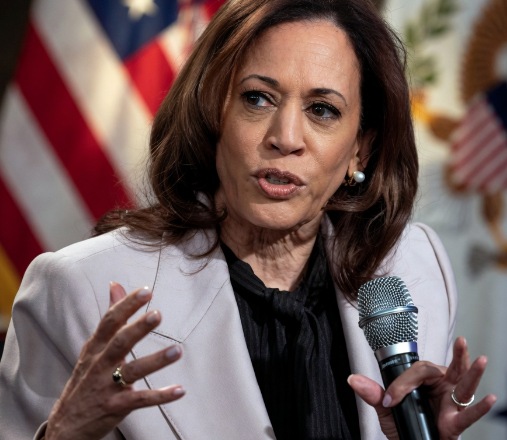
Kamala Harris, the former Vice President, has once again captured the national political spotlight by signaling that her journey in national politics may be far from over. At 61, following a high-profile defeat to President Donald Trump in the 2024 election, Harris finds herself at a critical crossroads. While she previously announced she would not seek the governorship of California in 2026—a move many analysts viewed as clearing the deck for a national return—she recently addressed the lingering question of a 2028 presidential bid. During a candid conversation with author and podcast host Sharon McMahon, Harris was pressed on her future intentions. When asked point-blank if she would run again, her response of “I haven’t decided,” followed by a teasing “I might,” has sent ripples through the Democratic establishment and energized her base of supporters. The interview with Sharon McMahon provided a rare window into Harris’s current mindset and her strategy for staying relevant. McMahon, who had recently finished reading Harris’s campaign memoir titled “107 Days,” observed that the text felt like the manifest work of someone eager for a second chance at the White House. Although Harris countered this interpretation, insisting the book was a historical record intended to inspire others—specifically mentioning its potential impact on a Girl Scout troop who might see their own potential in her story—the subtext of her political ambition remains undeniable. By centering her narrative on the reality of her experience and the hurdles she faced, Harris is positioning herself not just as a former candidate, but as a resilient figure for the “next generation” of leaders and activists.
Currently, Kamala Harris remains a formidable presence in hypothetical primary matchups for the 2028 cycle. According to data from the RealClearPolitics polling average, she maintains a significant lead over other potential Democratic contenders. Harris currently draws 28.3 percent support, notably outpacing her closest rival, California Governor Gavin Newsom, who sits at 20.7 percent. This lead is particularly significant given that Newsom is currently term-limited in his home state, making the 2028 field a wide-open landscape where Harris starts with high name recognition and a solidified national donor base. The decision to forgo the 2026 gubernatorial race allows her to maintain a singular national focus rather than getting bogged down in state-level legislative battles. Parallel to her media appearances, Harris has overseen a strategic and modern rebranding of her digital presence. The former KamalaHQ accounts on X (formerly Twitter) and TikTok, which became cultural touchstones during the 2024 cycle, have been reactivated and transformed into a new entity. Now known simply as Headquarters, the accounts are being marketed as a “youth mobilization organization.” This transition was heralded by a series of enigmatic, high-engagement videos featuring failed login attempts using passwords like “waytooonline,” “project2025wasreal,” and “thebabysitterisweird,” designed to resonate with the online vernacular and concerns of Gen-Z voters. The move signals a shift from a traditional campaign apparatus to a permanent advocacy and engagement hub. This new initiative is a formal collaboration with the progressive nonprofit People For the American Way. Harris will serve as the organization’s Chair Emerita, a title that allows her to maintain a high-level leadership role while staying technically outside the day-to-day operations of a declared campaign. The goal of Headquarters is explicitly political and protective: to mobilize “pro-fairness, pro-democracy young people against far-right extremism.” In a video announcement posted to YouTube, Harris expressed her excitement about the platform, describing it as a space to get the latest updates on civic engagement and to connect with a variety of community, faith, and young leaders who are ready to fight for their values. The visual identity and content strategy of Headquarters also reflect a bold, perhaps even subversive, aesthetic intended to capture the attention of a younger demographic. The social media banner features an inverted image of a bald eagle and the U.S. flag, branded with a light green “A News Co” subtitle. This pivot suggests that the Harris team is looking to bypass traditional media gatekeepers, communicating directly with voters through what they call a “progressive content hub.” As the 2024 midterms approach, Harris is effectively keeping her political machinery oiled and her supporters engaged. By maintaining a high profile through her memoir “107 Days” and her digital leadership, she is ensuring that if she does decide to say “yes” to a 2028 run, the foundation for her candidacy will already be firmly in place and her connection to the youth vote will be stronger than ever.