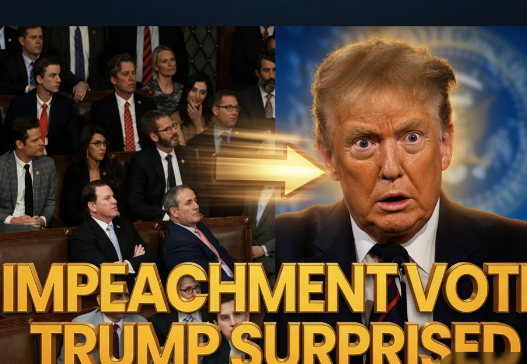
In a bold legislative move that signals a deepening rift within the American political landscape, U.S. Rep. John Larson has formally introduced articles of impeachment against President Donald Trump. The resolution, which was officially filed on April 6 and subsequently referred to the House Judiciary Committee, levies grave accusations against the sitting president, including war crimes, murder, and piracy. Larson contends that the President has engaged in a “serial usurpation of the congressional war power,” suggesting that his actions have been fundamentally “subversive of constitutional government” and directly harmful to the broader interests of the American public. This development represents a high-stakes challenge to the current limits of executive authority, framing the administration’s foreign policy and military directives as a betrayal of public trust.
The response from the White House was immediate and characteristically sharp. Spokesman Davis Ingle branded the impeachment effort as “pathetic,” characterizing it as the latest installment in a years-long Democratic strategy designed to delegitimize the administration. However, political reality indicates that the resolution faces an incredibly difficult path through a Republican-controlled House. Political analyst Scott McLean of Quinnipiac University observed that such legislative actions are often a strategic response to intense pressure from a party’s core base, reflecting the extreme polarization of modern politics rather than a genuine shift in the broader legislative consensus. The resolution mirrors earlier impeachment measures initiated in 2025 by representatives such as U.S. Rep. Al Green and U.S. Rep. Shri Thanedar. Central to the impeachment argument is Larson’s critique of the administration’s aggressive stance toward Iran. The resolution specifically highlights recent social media provocations from Trump, including warnings that “a whole civilization will die tonight.” On a more local scale, the filing has significant implications for Connecticut politics. Larson, a veteran representative, is currently facing a primary challenge from former Hartford Mayor Luke Bronin. Bronin has publicly endorsed the move, calling the President “a danger to our country” and praising Larson for his decisive action. While the resolution may remain dormant in committee, it remains a pivotal focal point for the national discourse on presidential accountability and the constitutional role of the United States Congress.