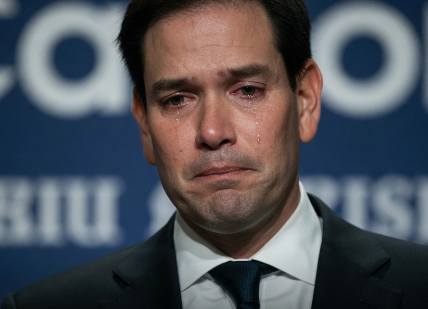
In a significant legal development that challenges the broad discretionary powers of the executive branch, a federal judge has cleared the way for a lawsuit against U.S. Secretary of State Marco Rubio and the U.S. State Department. The case, Lyazat Tolymbekova, et al. v. U.S. Secretary of State Marco Rubio, et al., centers on the plight of three foreign nationals whose applications for EB-1A visas—a prestigious category reserved for individuals of “extraordinary ability”—have been trapped in an indefinite bureaucratic limbo. Magistrate Judge Zia M. Faruqui rejected the government’s motion to dismiss, asserting that the judiciary has the authority to review cases where administrative delays have effectively stalled the legal immigration process. The plaintiffs—a Kazakh metallurgist, a Russian project manager, and a Russian makeup artist—have seen their petitions languish in “administrative processing” for over 16 months under Section 221(g) of the Immigration and Nationality Act. While the government argued that the doctrine of consular nonreviewability should shield these decisions from court scrutiny, Judge Faruqui ruled otherwise. He noted that a Section 221(g) refusal is not a final determination but a temporary hold, thereby allowing for judicial intervention under the Administrative Procedure Act (APA). The court emphasized that the State Department maintains a “clear, nondiscretionary duty” to finalize visa adjudications, invoking the Accardi doctrine to insist that federal agencies follow their own established procedures.
The human cost of these delays has been profound. Lyazat Tolymbekova, for instance, has been forcibly separated from her daughter, a U.S. citizen, missing major life milestones including a college graduation and a critical medical emergency. For the other plaintiffs, the uncertainty has paralyzed their professional trajectories and family planning. By allowing the case to proceed, the court has signaled that the “extraordinary ability” visa process cannot be used as an indefinite waiting room without legal recourse, potentially setting a precedent for thousands of other applicants facing similar delays in the United States. Parallel to these domestic legal battles, the Trump Administration is navigating complex diplomatic waters with Brazil. Recently, President Trump engaged in a 30-minute “cordial” telephone conversation with Brazilian President Luiz Inacio Lula da Silva. This dialogue represents a potential shift in the previously strained relationship between the two nations. Lula specifically requested the removal of a 40% tax on Brazilian exports, which, when combined with existing duties, has subjected Brazil to some of the highest tariffs in the world. The meeting of minds comes at a crucial time for Brazilian markets, which have been volatile due to restrictive U.S. trade policies. The tension between the two administrations stems from Trump’s vocal support for former Brazilian President Jair Bolsonaro. Previously, the United States implemented retaliatory tariffs and utilized the Magnitsky Act to sanction members of the Brazilian judiciary, most notably Supreme Court Justice Alexandre de Moraes, who presided over the conviction of Bolsonaro. Furthermore, visa revocations for high-ranking officials like Solicitor-General Jorge Messias had further chilled relations. However, the recent call suggests a pragmatic pivot. Both leaders expressed “excellent chemistry” and discussed a future face-to-face meeting, possibly during the ASEAN Summit in Malaysia, signaling a desire to move past the “one-sided and arbitrary actions” that Lula had previously denounced. Ultimately, these two narratives—the legal challenge to visa processing delays and the high-stakes trade negotiations with Brazil—highlight the multifaceted nature of current U.S. foreign and domestic policy. Whether through the halls of justice under Judge Faruqui or through direct executive diplomacy between Trump and Lula, the mechanisms of international movement and commerce are being actively contested and redefined. The resolution of the Rubio lawsuit and the potential lifting of the 40% export tax will serve as critical indicators of the administration’s direction regarding both legal immigration and global economic partnerships.