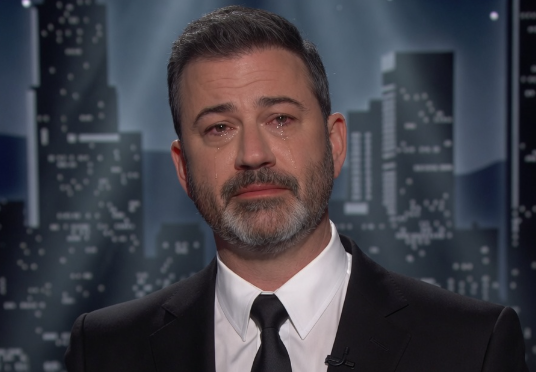
In a high-stakes confrontation between the entertainment world and the White House, late-night host Jimmy Kimmel recently used his platform to address the controversy surrounding his characterization of Melania Trump as an “expectant widow.” During a monologue on Jimmy Kimmel Live!, Kimmel doubled down on his remarks, refusing to offer an apology despite direct calls for his termination from both President Donald Trump and the First Lady. He clarified that the joke was intended as a “light roast” regarding the age disparity between the 78-year-old president and his younger wife, rather than an incitement to violence or a call for assassination. Kimmel emphasized that his humor was rooted in observations about the couple’s public interactions and the First Lady‘s perceived expressions during their joint appearances.
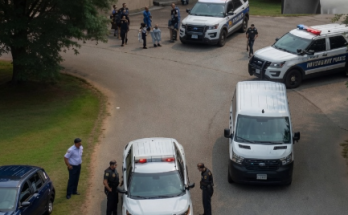
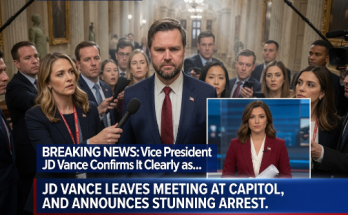
The timing of Kimmel‘s joke proved particularly volatile, occurring just days before a significant security breach at the White House Correspondents’ Dinner. On the night of the event, the U.S. Secret Service apprehended an armed individual outside the Washington Hilton, an incident that prompted the Trump administration to link Kimmel’s satirical rhetoric to real-world threats. Kimmel, however, rejected this connection, arguing that it is absurd to suggest a joke made three days prior could influence a criminal act. He maintained that the First Amendment protects his right to free speech, just as it protects the rights of the president and his family to express their own opinions. He further suggested that if the First Lady is concerned about hateful rhetoric, she should first address the political discourse of her husband. The legal gravity of the situation was underscored by the federal court appearance of Cole Allen, a 31-year-old resident of Torrance, California. Allen faces severe federal charges, including the attempted assassination of the President of the United States, discharging a firearm during a crime of violence, and the illegal transport of firearms across state lines. According to reports from the U.S. Department of Justice, Allen was found in possession of a 12-gauge pump-action shotgun and a Rock Island Armory 1911 .38-caliber pistol as he attempted to reach the ballroom where President Trump, Cabinet officials, and members of the press were gathered for the annual dinner. Evidence presented in court included a written manifesto that Cole Allen allegedly sent to his family members shortly before the attempted attack. In the document, the suspect detailed his intent to target the president and several administration officials, leveling extreme and unsubstantiated accusations against Donald Trump. While the suspect’s motives appear rooted in a personal ideological vendetta, the Trump administration has used the incident to call for a broader crackdown on media figures they believe are fostering a dangerous environment. For his part, Kimmel expressed sympathy for the trauma experienced by those at the dinner, while simultaneously mocking the idea that his comedic monologue held any sway over a man with a manifesto and a shotgun. This ongoing dispute highlights the deepening rift in American political discourse, where the boundaries between satire, political speech, and incitement are increasingly contested. Kimmel’s refusal to back down signals a growing trend among media personalities who view their commentary as a necessary check on executive power, even in the face of security crises. As the legal proceedings against Allen continue, the debate over the responsibility of public figures to temper their rhetoric remains a central theme in the national conversation, pitting the principles of free speech against the urgent demands of national security and the safety of public officials.