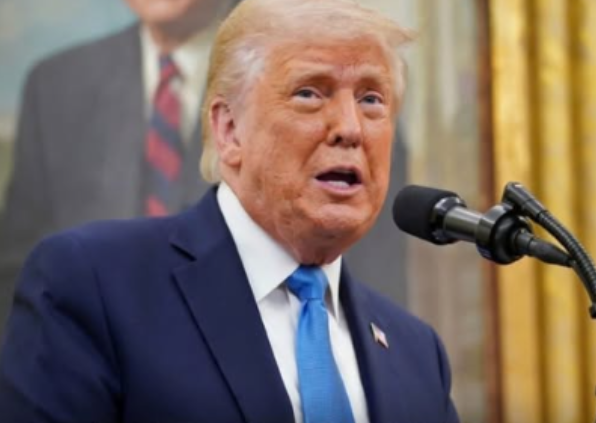
In a high-stakes media interaction on March 9, 2026, President Donald Trump reignited a firestorm of geopolitical debate by suggesting a possible “takeover” of Cuba. Speaking at a GOP event in Florida, Trump used characteristically blunt language, stating that the transition of power “may be a friendly takeover” or “may not be.” This rhetoric, which caught international observers off guard, follows a series of aggressive foreign policy maneuvers aimed at regime change across the globe. This moment fits Trump’s established pattern of unfiltered talk, which he uses to dominate news cycles and rally his base.
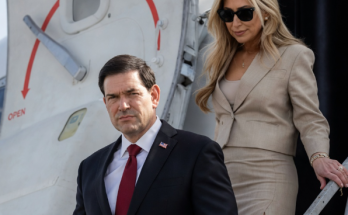
The timing of these remarks is critical, as Cuba currently faces its most severe economic crisis in decades. Under the Trump administration’s tightened blockade, the island has seen its supply of oil and funds from Venezuela severed, leading to widespread blackouts and soaring food prices. Trump addressed this directly, noting that the country has “no money” and is essentially at a breaking point. These comments echo his earlier predictions from January 2026, where he signaled that the current administration in Havana was on the verge of collapse due to relentless economic pressure. To manage the escalating situation, Trump has assigned Marco Rubio to oversee the diplomatic and economic strategies regarding the island. The overarching goal appears to be a total shift in regime, a pattern previously seen in the administration’s actions toward Venezuela—where Maduro was recently removed—and the current military strikes involving Iran. From a strategic standpoint, proponents argue that controlling Cuba, which sits in close proximity to Florida, is essential for U.S. security and regional stability. Reactions to the “friendly takeover” rhetoric have exposed deep ideological rifts within the United States. Supporters of the President praise his unscripted, “authentic” style, viewing his stance as a necessary display of strength against communism. They argue that traditional diplomacy has failed and that a firm hand is required to resolve the humanitarian and security issues stemming from the island. Conversely, critics and political experts have labeled the remarks “dangerous” and “imperialist,” warning that such talk could lead to an avoidable military conflict or further alienate allies across Latin America. The humanitarian implications are also a major point of contention. The United Nations has issued warnings regarding the health risks facing millions of Cubans due to the economic blockade. While the administration maintains that economic leverage is the best tool for sparking change, analysts point out the risks of a long-term intervention. They draw parallels to past U.S. actions, noting that while some interventions like Grenada were swift, others have historically dragged on for years. As Marco Rubio leads the charge, the world watches to see if this strategy will reshape the political map of the Caribbean or lead to a significant humanitarian catastrophe.