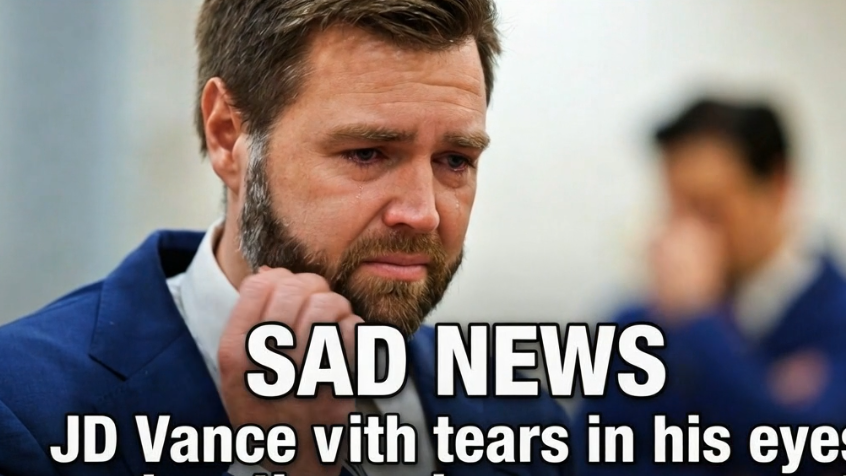
In early March 2025, a seemingly offhand remark by US Vice President J.D. Vance during a Fox News interview sparked an unexpected and intense diplomatic friction between the United States and the United Kingdom. The controversy centered on Vance’s dismissal of potential peacekeeping contributions for Ukraine from “some random country that hasn’t fought a war in 30 or 40 years.” While the Vice President did not explicitly name any specific nation, his comments were widely interpreted in London and Paris as a slight against European allies who have proposed a peacekeeping force to underpin future security arrangements. This incident highlighted the deep-seated sensitivities regarding military sacrifice and the long-standing history of joint combat operations between the two nations.
The response from the British political establishment was both swift and bipartisan. James Cartlidge, the Conservative shadow defence secretary, denounced the remarks as “deeply disrespectful,” noting the personal toll of recent conflicts on his own family. James Cleverly, the former foreign secretary, described the rhetoric as “foolish and insulting.” The backlash extended to veteran MPs like Ben Obese-Jecty, who emphasized the reality of British boots on the ground in both Iraq and Afghanistan. These reactions underscored a collective sense of grievance, as British officials felt the need to defend the honor and combat record of their armed forces against perceived American dismissiveness, particularly given the decades of shared blood and treasure.
Beyond the halls of Westminster, the sentiment was echoed by veterans’ groups and the media. Renowned former SAS soldier Andy McNab publicly challenged Vance to visit British war memorials to acknowledge those who “fought and shed blood alongside US troops.” The British tabloids were less restrained, employing derogatory nicknames for the Vice President while reminding the public of the 636 service personnel who lost their lives in the Iraq War and the Afghanistan campaign. These figures—179 in Iraq and 457 in Afghanistan—served as a stark rebuttal to any suggestion that the UK lacks recent battlefield experience or has shied away from high-stakes military commitments alongside its NATO partners.
Prime Minister Keir Starmer opted for a strategy of measured restraint, balancing the need to defend national pride with the necessity of maintaining the “special relationship.” Rather than engaging in a direct war of words, Starmer utilized Prime Minister’s Questions to pay a solemn tribute to the bravery and sacrifice of British troops. By highlighting their service alongside American allies, Downing Street reaffirmed the UK’s military credibility while attempting to de-escalate the diplomatic tension. This approach aimed to shield the reputation of the British Armed Forces without causing a permanent rift with the Washington administration during a period of global instability.
Vice President Vance eventually addressed the outcry on X, labeling the backlash “absurdly dishonest” and clarifying that his comments were not directed at Britain or France. He praised both nations for their historic cooperation and bravery over the last two decades. Despite this clarification, analysts suggest the episode exposed underlying anxieties about how allies perceive each other’s contributions. While the structural pillars of the UK-US alliance—ranging from intelligence sharing to nuclear cooperation—remain robust, the incident serves as a potent reminder that language concerning combat sacrifice remains one of the most sensitive areas of international diplomacy, requiring careful framing to maintain trust.