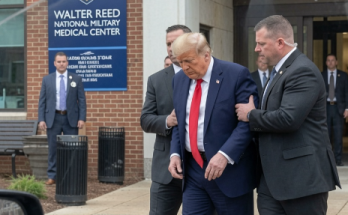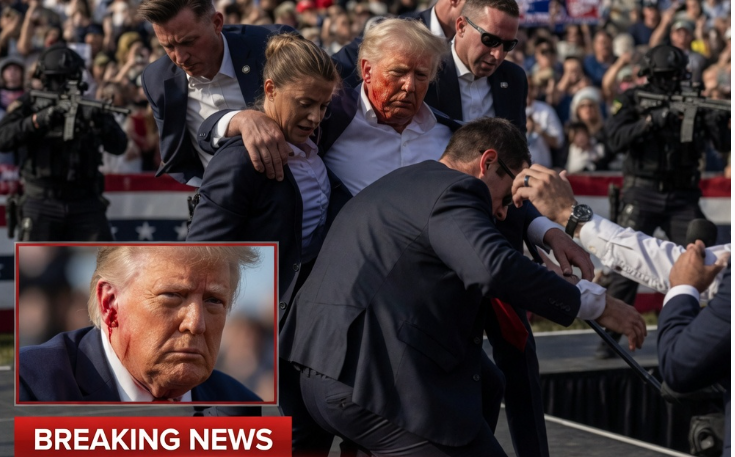
Recent waves of social media activity have been dominated by alarming and unsubstantiated claims suggesting that former President Donald Trump was the target of a second shooting incident in Washington, D.C.. These viral posts, which spread with remarkable speed, triggered a surge of concern among both his supporters and the general public. Despite the dramatic phrasing and emotional reactions fueled by these reports, it soon became evident that the claims lacked any foundation in reality. In high-stakes situations involving a figure of such prominence, verified information typically surfaces within minutes; however, no credible source has corroborated these rumors.
The absence of any official confirmation from the United States Secret Service or major news organizations is a definitive indicator that the viral narrative is false. Analysts point out that the confusion likely originated from misleading content, including the reuse of old video footage and the distribution of vague, unverified accounts. In today’s fast-paced digital environment, such misinformation is often strategically crafted to maximize clicks and engagement rather than to inform. This specific instance of fake news appears to have exploited the collective memory of the 2024 assassination attempt in Butler, Pennsylvania, a real event that remains a point of high sensitivity for the American public. Experts in digital forensics and political communication warn that these fabricated stories are inherently dangerous. Beyond the immediate confusion, they risk overwhelming emergency services and diverting attention from legitimate public safety concerns. Furthermore, the repeated exposure to such sensationalist claims can significantly weaken public trust in reliable institutions and official government sources. Often, these narratives are pushed during times of heightened political tension to provoke outrage, deepen existing societal divisions, and capitalize on the rapid-fire nature of social media sharing. As of now, all legitimate evidence confirms that no new shooting has taken place. Donald Trump remains unaffected by the events described in the viral posts. This incident underscores the vital importance of careful verification and the need for the public to turn to reputable media outlets when evaluating breaking news. In an era where fabricated headlines can reach millions in seconds, maintaining a skeptical approach to unverified social media content is essential for navigating the complexities of the modern information landscape.