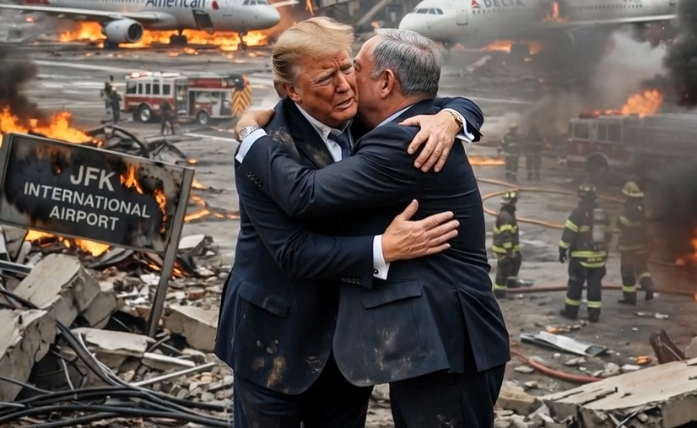
The regional conflict in the Middle East has escalated to a critical juncture following Iran’s direct ballistic missile strike on Tel Aviv. Utilizing cluster warheads, the attack was justified by Tehran as retaliation for a high-level assassination. This development has raised severe humanitarian alarms, as the use of cluster munitions poses a long-term lethal threat to civilian populations due to unexploded submunitions. The resulting infrastructure damage and casualties mark a significant deterioration in regional stability.
The violence has rapidly expanded beyond the initial borders, with Iran targeting U.S. bases and strategic assets in Kuwait, Bahrain, the UAE, and Saudi Arabia. In response, a joint Israeli and United States counter-offensive has targeted Iran’s military and nuclear infrastructure. While defense systems like the Iron Dome and Arrow-3 remain active, the volume of the assault is testing the limits of regional security measures.Beyond the immediate kinetic warfare, the crisis is destabilizing global energy markets. As Gulf oil and gas infrastructure faces direct threats, surging prices have ignited fears of a worldwide economic recession. With diplomatic efforts at a standstill and no signs of de-escalation from either Israel or Iran, the situation remains a catastrophic threat to international security.