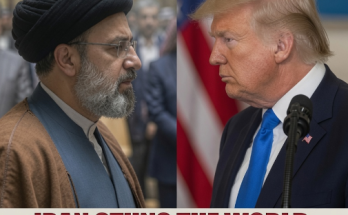
In Tehran, Iranian Foreign Minister Abbas Araghchi addressed the nation following reported military strikes, prioritizing a narrative of sovereignty and international law over emotional or symbolic escalation. Araghchi described the events as a direct violation of Iran’s territorial integrity, asserting that while the country reserves the right to self-defense, any subsequent response would be calculated and measured. This measured tone reflects a broader national strategy developed over years of geopolitical pressure and economic sanctions, where the necessity for resilience is constantly weighed against the risks of total instability. The leadership’s emphasis on proportionality suggests a desire to utilize diplomatic flexibility rather than opting for immediate, uncontrolled retaliation, aiming to stabilize a region already fraught with tension. Public sentiment across the Iranian capital is increasingly divided, mirroring the complex strategic calculations of the state. Many residents have voiced support for a firm stance, viewing it as an essential component of national dignity, while a significant portion of the population expresses anxiety over the potential human and economic toll of a wider war. Both online and offline discussions reveal a recurring desire to avoid a broader conflict while simultaneously refusing to compromise on national sovereignty. This duality in public opinion highlights the pressure on Iranian officials to communicate resolve to a domestic audience while assuring the global community that they are not seeking a regional conflagration with unpredictable consequences.
In contrast to the narrative from Tehran, officials in the United States have framed the military operation as a preventive measure aimed at mitigating long-term security risks. U.S. statements emphasized that the actions were limited in scope and specifically designed to avoid a broader escalation, focusing instead on strategic deterrence. Similarly, leaders in Israel characterized the strikes as essential steps for national security, adhering to a long-standing policy of preemptive defense. Israeli officials noted that these operations are typically calibrated to minimize the risk of a sustained conflict, though they remain acutely aware of the geopolitical uncertainties that follow such military engagements. The response from Europe has been notably more cautious, with the United Kingdom, France, and Germany leading the call for restraint. European leaders are particularly concerned that even surgical military strikes can quickly spiral out of control, drawing on historical precedents where limited operations expanded into prolonged crises. Their diplomatic messaging stresses the importance of maintaining existing diplomatic channels, warning that any miscalculation or breakdown in communication could further complicate global efforts to stabilize the situation. They position themselves as potential mediators, seeking to bridge the gap between parties with deeply entrenched security concerns and historical grievances. At the United Nations, a tense and subdued atmosphere prevails as diplomats prepare for emergency consultations. There is a widespread concern among member states regarding the gradual erosion of the norms that govern the use of force in international relations. Representatives from multiple countries have noted that repeated exceptions to these rules risk weakening the entire international framework. However, the path to a unified response is hindered by the differing strategic interests of the world’s major powers. While some diplomats urge for immediate confidence-building measures, such as transparent communication and verification mechanisms, others point to the urgent need for long-term initiatives to address the root causes of regional rivalries and unresolved political disputes. The impact of these developments has reverberated through global financial markets, where energy prices have surged due to fears of supply chain disruptions in a region vital to oil and gas production. Investor sentiment has shifted toward extreme caution, with many participants adjusting their portfolios based on the perceived risks to global economic stability. Beyond the financial metrics, the situation has created a profound psychological impact, forcing governments and institutions to adapt to a world defined by heightened uncertainty. As policymakers worldwide review their contingency plans for trade and security, the role of diplomatic channels becomes even more critical. The coming weeks will be defined by a combination of public signaling and behind-the-scenes negotiations, as the global community watches to see if a broader confrontation can be successfully averted.