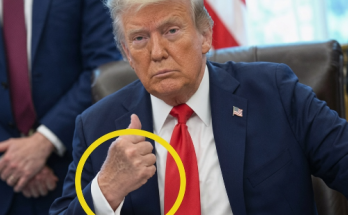
In the heart of the Oval Office, a recent prayer gathering featuring Donald Trump and a group of clergy has surfaced as a powerful symbol of the tension between faith and politics. As reports of missile launches and the threat of an expanded Middle East conflict dominated the news cycle, the image of religious leaders laying hands on the president went viral. This moment has sparked a fierce debate over the role of spirituality in high-stakes governance during a period of international crisis.
Supporters of the event view the prayer as a vital pursuit of wisdom and protection for U.S. forces and global allies. They argue that seeking spiritual guidance is a long-standing tradition for leaders facing national emergencies, providing a necessary moral framework for the commander in chief. Conversely, critics express concern that such displays blur the lines between church and state, especially when contrasted with the violent reality of missile strikes and potential regional escalation. Ultimately, the discourse surrounding the White House prayer highlights the immense responsibility of Washington-based decision-making. Whether viewed as a humble act of devotion or a controversial political statement, the choices made in these moments carry the potential to reshape the lives of millions across a region currently under extreme pressure.