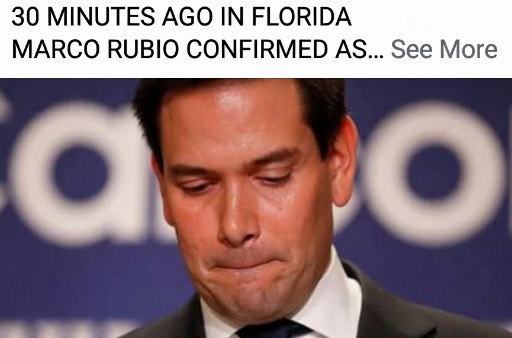
The recent ascent of Marco Rubio into a pivotal oversight role marks a significant transition in how federal authority is exercised within Washington, D.C. This shift is characterized less by public fanfare and more by a subtle transfer of administrative control over the national regulatory landscape. By overseeing an office that functions as a critical regulatory gatekeeper, Marco Rubio now occupies a position that, while operating outside the immediate view of the public, holds the decisive power to shape, delay, or dismantle federal rules across diverse sectors, including environmental policy, labor standards, and public health. Unlike legislative bodies that pass laws through public debate, this office operates through the technical mechanisms of procedural review. It serves as a final checkpoint for major proposals generated by federal agencies. The influence exerted here is profound; while agencies may spend years crafting data-driven regulations, this office can halt initiatives indefinitely without the requirement of a public vote or a formal hearing. This “power through delay” creates policy outcomes through strategic absence, where rules simply vanish from the pipeline, leaving little to no public record of the decision-making process.
The Marco Rubio power shift has reignited a long-standing debate regarding government transparency and institutional accountability. Proponents of this centralized oversight argue that it is essential for maintaining economic consistency and preventing redundant or conflicting regulations. They view the role as a necessary filter to ensure agencies remain aligned with executive strategy. Conversely, critics argue that concentrating such vast authority behind closed doors undermines democratic oversight. They contend that the lack of public scrutiny allows hidden authority to override the expertise of career agency professionals without a clear process for appeal. As Marco Rubio manages this transition, observers are closely monitoring his leadership approach and operational strategy. Given his background in institutional strategy and public messaging, expectations are high regarding how he will handle agency communication and internal timelines. While some hope for reforms that include publishing decision criteria to bolster public confidence, others expect the traditional model of silent decision-making to persist. The true measure of his impact will likely emerge from these internal processes rather than public statements. Ultimately, this shift underscores a broader reality of modern governance: significant policy changes are frequently the result of procedural control rather than legislative conflict. By controlling the regulatory pipeline, Marco Rubio highlights the growing importance of the administrative state and the silent mechanisms that dictate the daily lives of citizens. As public scrutiny of these systems increases, the focus on procedural transparency and administrative accountability will likely remain a central theme in the evolving narrative of American political power.