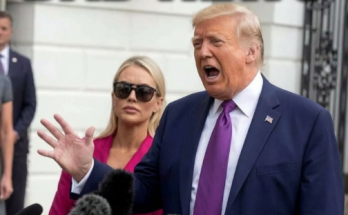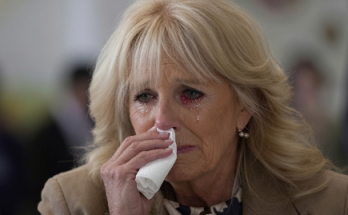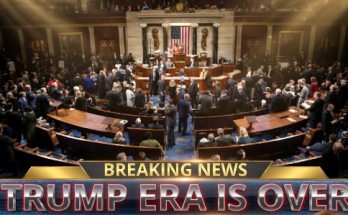
Recent hours have seen the digital landscape engulfed in a firestorm of misinformation following baseless claims that Donald Trump had been targeted in a shooting in Washington, D.C.. This narrative, characterized by sensationalist rhetoric and urgent language, successfully exploited visceral emotional triggers to achieve thousands of shares within minutes. However, rigorous investigation has confirmed that this “breaking news” was entirely fabricated, showcasing the extreme volatility of the modern information ecosystem and the dangerous speed at which viral misinformation can destabilize public discourse and bypass critical thinking.
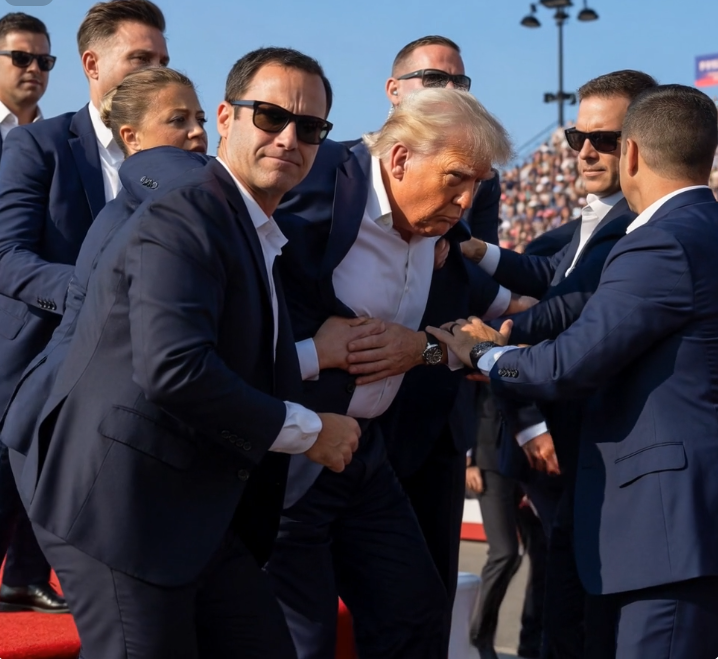
The most compelling evidence against these rumors is the absolute silence from authoritative institutions. No major international news outlets corroborated the story, and more importantly, the United States Secret Service—the agency tasked with the former president’s protection—issued no alerts, briefings, or statements. In high-profile security matters, the absence of official confirmation from law enforcement agencies is a definitive indicator of a hoax. Unlike the authentic and tragic assassination attempt that occurred in Butler, Pennsylvania, in 2024, there is no physical evidence, witness testimony, or official documentation to support these recent claims. Investigative analysis highlights a familiar pattern of digital distortion. Many social media posts utilized repurposed video clips or out-of-context images repackaged with misleading captions to suggest a contemporary event. These tactics, often deployed by low-credibility or anonymous accounts, exploit platform algorithms that prioritize high-engagement, emotionally charged content. By the time fact-checkers can intervene, the false narrative has often already saturated a highly polarized political environment where users are predisposed to share information that aligns with their specific anxieties or emotional biases. Beyond immediate confusion, security specialists warn that such disinformation carries grave societal risks. False reports of violence can trigger widespread public panic and overwhelm emergency communication channels, distracting officials from legitimate threats. Furthermore, the cycle of manufactured crises erodes long-term public trust in credible journalism, making it difficult to distinguish fact from fiction during actual emergencies. This episode serves as a critical reminder of the urgent need for media literacy, urging users to verify sources before contributing to the spread of unverified claims.