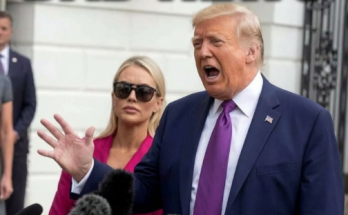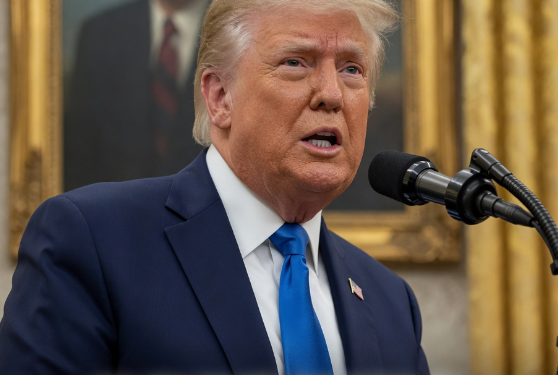
In a move that has sent shockwaves through the international diplomatic community, President Donald Trump has reignited tensions in the Caribbean with bold assertions regarding the future of Cuba. During a press interaction at a GOP event in Florida on March 9, 2026, the President suggested that a “friendly takeover” of the island nation might be on the horizon. This candid admission, typical of Trump’s unfiltered communication style, has forced a sudden reevaluation of United States foreign policy objectives in Latin America, as observers grapple with the implications of such a direct challenge to Cuban sovereignty. The rhetoric has caught many off guard, fueling intense discussions across digital platforms and traditional news outlets alike. The specific language used by Trump was particularly striking for its lack of diplomatic ambiguity. He remarked, “It may be a friendly takeover. It may not be a friendly takeover,” referring to a potential transition of power or U.S. control over Havana. This followed earlier statements made in late February where he highlighted the dire economic state of Cuba, noting that the country is currently devoid of resources and money. These comments appear to be part of a broader narrative suggesting that the current Cuban administration is on the verge of collapse—a sentiment Trump has echoed since early 2026 when he predicted the regime would “fall” soon. Observers note that these remarks were delivered during an informal press gaggle, yet they have come to dominate the international news cycle.
The backdrop for these remarks is a Cuba that is currently reeling from intense economic pressure. Under the Trump administration’s returned focus on the island, the United States has significantly tightened the economic blockade, effectively severing oil and financial lifelines previously provided by Venezuela. The resulting humanitarian situation has been described as critical, with widespread blackouts and soaring food prices affecting millions of citizens. In this context, Trump’s strategy appears to be one of maximum pressure, mirroring tactics previously used against Nicolas Maduro in Venezuela and more recently against Iran. Analysts suggest that the administration sees the current crisis as an opportunity for a forced regime shift that aligns with U.S. interests. To lead these sensitive interactions, Trump has reportedly assigned Senator Marco Rubio to oversee the diplomatic and strategic maneuvers regarding Cuba. The strategic rationale cited by many analysts focuses on Cuba’s proximity to the United States, particularly Florida. Proponents argue that a transition of power could bolster U.S. national security and eliminate a long-standing ideological adversary in the hemisphere. However, the mention of a “takeover” suggests a departure from traditional diplomacy toward a more interventionist stance. Some experts draw parallels to historical U.S. actions in Grenada, which were swift, while others warn of the risks of a long-term entanglement similar to the conflict in Iraq. Reaction to the President’s comments has been sharply polarized. Supporters of the Trump administration have praised the rhetoric as a display of “refreshing leadership” and “unfiltered authenticity.” They view the prospect of a takeover as a necessary step to dismantle communism and restore order to a failing state. Conversely, critics and international observers have slammed the remarks as “imperialist” and “dangerous.” Concerns have been raised by humanitarian groups and United Nations representatives regarding the potential for military escalation and the worsening of the public health crisis on the island. Social media has become a battleground for these opposing views, with some users fearing an imminent war while others cheer for a decisive end to the Castro-era legacy. The significance of these unscripted moments cannot be overstated in the modern political landscape. In an era where most political figures adhere to strictly curated talking points, Trump’s willingness to speak bluntly about sensitive geopolitical goals serves as a double-edged sword. From an analytical perspective, these outbursts serve to dominate the news cycle and set the agenda for both allies and adversaries. By making the possibility of a “takeover” a public talking point, the administration shifts the “Overton Window,” making previously radical ideas seem like viable policy options for the future of Caribbean relations. Looking toward the long term, the impact on Latin American relations could be profound. Regional allies are watching closely, aware that the United States’ approach to Cuba often signals its broader intentions for the region. If the Trump administration moves forward with a more aggressive posture, it could redefine the Monroe Doctrine for the 21st century. Meanwhile, the internal stability of Cuba remains precarious as the blockade continues. As the State Department monitors the situation, the global community is left to wonder if the “friendly” nature of the proposed takeover is a genuine diplomatic goal or a rhetorical flourish masking a more coercive strategy. This story is evolving fast, and the world awaits the next move from the White House.