DeSantis Eyes 2028: The Shifting Sands of Republican Succession and the Rise of J.D. Vance The landscape of the Republican Party is already beginning to shift toward the 2028 cycle as Florida Governor Ron DeSantis signals that he is not ruling out a second run for the White House. Currently term-limited and set to leave the governor’s mansion in January 2027, DeSantis told Sean Hannity in a recent podcast interview, “We’ll see,” regarding his future political ambitions. This tentative stance comes after a 2024 primary campaign where DeSantis, once viewed as the primary challenger to Donald Trump, finished a distant second in Iowa and ultimately third in the overall primary standings behind both Trump and Nikki Haley.
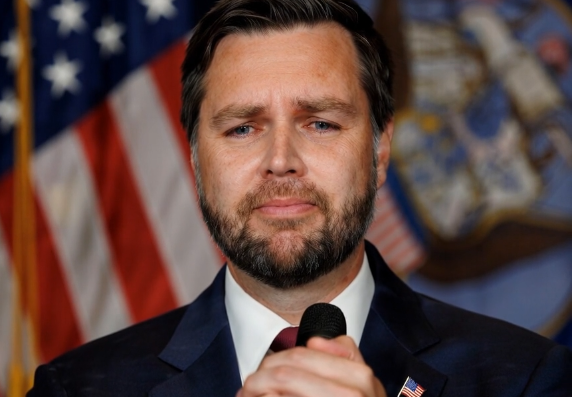
Reflecting on his previous campaign, DeSantis maintained that his conservative platform resonated with voters, but was overshadowed by Trump’s unique hold on the GOP base. He suggested that in the absence of the former president, he would have secured nearly 90 percent of the Iowa caucus-goers, asserting that voters wanted a conservative candidate but that the “timing didn’t work out.” As he prepares for his final year in office, DeSantis faces a transformed political environment where new frontrunners have emerged to claim the mantle of the party’s future. Early polling for the 2028 race indicates that Vice President J.D. Vance has secured a significant lead among Republican voters. According to data from Echelon Insights, Vance commands 40 percent support, while DeSantis has slipped into single digits at 5 percent, trailing other figures such as Marco Rubio and Donald Trump Jr. A separate survey by The Public Sentiment Institute mirrors this trend, placing DeSantis in third place behind Vance and Rubio. This shift suggests that while DeSantis remains a prominent figure, the populist momentum within the party has moved toward Vance. The rivalry for influence within the Trump inner circle is also intensifying between Vance and Secretary of State Marco Rubio. Reports from Mar-a-Lago indicate that while Trump’s donor class shows a strong preference for Rubio’s “velvet glove” approach to diplomacy, the broader electorate views Vance as the more influential figure. Trump himself has noted the stylistic differences between the two, describing Vance as “tough” and occasionally needing to be restrained, while praising Rubio’s lethal effectiveness in negotiations. As DeSantis considers his next move, he must navigate a party currently torn between Vance’s populist appeal and Rubio’s donor-backed diplomatic style.