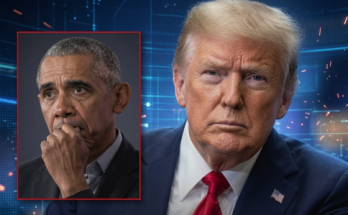
Recent social media trends have been dominated by sensationalist headlines claiming that 9,000 U.S. soldiers executed a massive walkout at 4 a.m., allegedly shocking the Pentagon and dealing a significant political blow to Donald Trump. Despite the dramatic narrative, there is no credible evidence to support these assertions. These stories primarily originate from obscure blogs and dramatized YouTube videos rather than reputable news organizations. Such sources rely on emotional language and anonymous claims rather than verifiable facts or official records from the Department of Defense.
In reality, the Pentagon and military leadership have issued no statements regarding a mass resignation or breakdown in command. Professional fact-checking organizations have confirmed that such an event is entirely fabricated. What is actually occurring is a strategic repositioning of U.S. forces in the Middle East in response to heightened geopolitical tensions involving Iran. These movements are standard operational procedures designed to maintain military readiness and are not indicative of internal rebellion or a crisis of loyalty within the ranks. The rapid spread of this misinformation highlights the persistent challenges of the digital age. The story’s emotional intensity and the inclusion of polarizing figures like Donald Trump encourage users to share the content without verifying its authenticity. In a real-world scenario, a coordinated action involving thousands of personnel would be impossible to conceal and would be immediately reported by major global news outlets. This incident serves as a stark reminder of how speculation can be amplified into perceived fact within digital echo chambers. Ultimately, the narrative of the 9,000-soldier walkout is a textbook example of viral misinformation. It underscores the necessity for media literacy and the importance of relying on official sources and verified reports before accepting extraordinary claims. By understanding the mechanics of how these stories are constructed, the public can better navigate the complexities of the modern information landscape and distinguish between strategic military movements and internet-born fabrications.