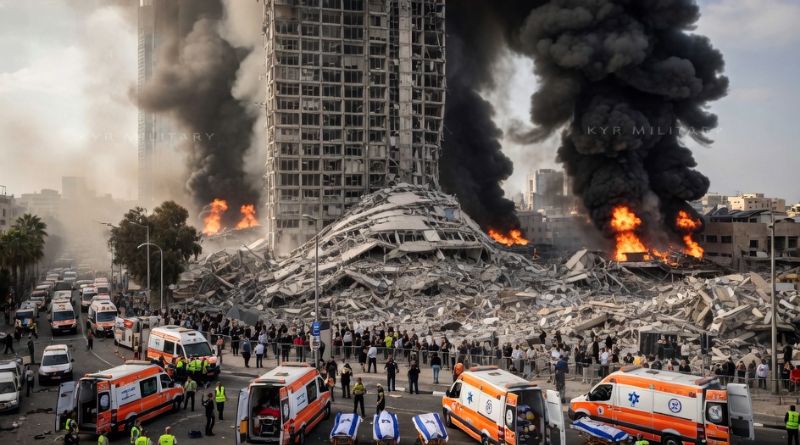
The calm of Tel Aviv was abruptly disrupted as air raid sirens echoed through the city in the early hours of the morning. Residents rushed to shelters, responding to warnings of incoming missile threats. What began as an ordinary day quickly turned into a tense and uncertain situation for millions of people living in one of Israel’s most vibrant cities. Tel Aviv, known for its busy streets, cultural landmarks, and active nightlife, has found itself under increasing pressure as regional tensions escalate. The sound of missile defense systems intercepting incoming threats has become an unsettling part of daily life. While many residents have grown familiar with emergency protocols, the emotional and psychological strain continues to build as uncertainty hangs over the city.
Reports suggest that the attacks involved advanced missile technology, raising concerns about the evolving nature of modern warfare in the region. Israel’s missile defense systems, including the widely known Iron Dome, have intercepted many projectiles. However, the intensity and volume of attacks have tested these systems, causing moments of panic among civilians whenever sirens sound. For the people of Tel Aviv, everyday life now involves constant vigilance. Families gather in protected shelters, parents try to reassure frightened children, and businesses face disruptions as safety concerns keep many people indoors. Schools and workplaces must adapt quickly to ensure the safety of their communities.
Beyond the immediate impact on the city, the situation carries wider geopolitical implications. Rising tensions between regional powers have drawn the attention of the international community, with leaders urging restraint and dialogue to prevent further escalation. Neighboring countries are closely monitoring developments, aware that continued hostilities could destabilize the broader region. Despite the uncertainty, many residents continue to demonstrate resilience and solidarity. Community organizations are offering support and resources to help people cope with the stress of ongoing threats. As the situation evolves, hopes remain that diplomacy and cooperation can eventually restore stability and peace to the region.