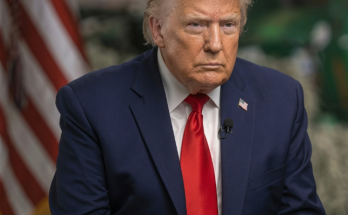
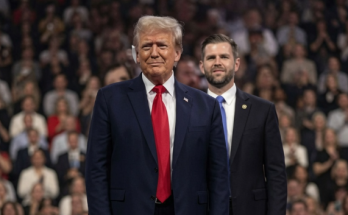
In the quiet, pre-dawn hours in Washington, reports began to surface of a potential military walkout, signaling a period of unprecedented internal friction within the United States armed forces. This sudden wave of departures and reported refusals to serve among military members, while still awaiting full official verification, highlights the severe psychological and professional strain placed on the military community as U.S.–Iran tensions reach a critical boiling point. The immediate catalyst for this internal crisis appears to be a series of aggressive statements suggesting that the United States might target civilian infrastructure within Iran, including vital power grids, transportation networks, and bridges. Such rhetoric, largely attributed to Donald Trump, has sparked a firestorm of debate regarding the ethical and legal boundaries of modern military engagement. Legal analysts and international law experts have raised immediate alarms, noting that the deliberate destruction of systems essential to the survival of civilian populations could constitute a major violation of established wartime conventions. While military necessity often justifies the targeting of dual-use facilities, the broad scope of the proposed strikes suggests a shift toward a strategy that many find deeply troubling from a humanitarian perspective. Beyond the legalities, military strategists are warning of the practical futility of such actions. Historical precedents suggest that crippling a nation’s infrastructure rarely leads to a swift or clean surrender; instead, such moves often bolster national unity among the targeted population and reinforce the hardline positions of the leadership in Tehran.
The political fallout from this escalating rhetoric has been significant. Chris Van Hollen has emerged as a prominent critic of the current trajectory, labeling the threats as reckless and fundamentally destabilizing to global security. He argues that without a strategic roadmap or a clearly defined exit strategy, the United States risks being drawn into an avoidable conflict with no measurable path to victory. This sentiment is echoed within the halls of Congress, where lawmakers are expressing growing concern over the speed of the crisis. There is a fear that the rapid pace of executive decision-making may outpace the legislative branch‘s ability to exercise its constitutional role in authorizing or limiting military action and funding. Furthermore, the geopolitical landscape surrounding the Middle East remains fraught with complexity, as diplomatic observers point out that external threats often fail to produce the intended deterrence. Instead, these threats tend to solidify domestic support for the Iranian government, making diplomatic solutions even more elusive. As the logistical challenges and financial costs of maintaining a heightened military posture mount, insiders acknowledge that modern conflicts rarely follow predictable timelines. The absence of a clear endgame remains the most concerning factor for observers, as it risks trapping multiple actors in a prolonged cycle of violence that could permanently redraw the map of international relations. In response to the potential for catastrophic escalation, international negotiators are reportedly working behind the scenes to establish back-channel communications. These urgent efforts are aimed at cooling the rhetoric and creating the necessary space for dialogue before a single miscalculation triggers a regional war. The current situation serves as a stark reminder of the fragile balance between power and restraint. As the world watches, the decisions made in the coming days will determine the long-term stability of the region and the ultimate credibility of American foreign policy on the global stage.