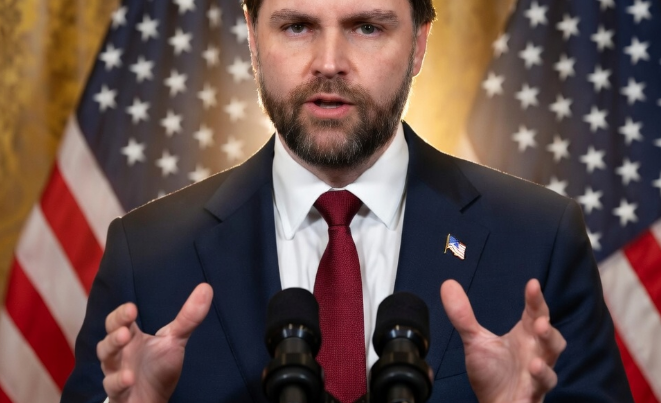
High-stakes negotiations between the United States and Iran have concluded in Pakistan without a definitive peace agreement. Led by Vice President JD Vance, the 17-hour session aimed to resolve a conflict now entering its sixth week. Despite what Vance described as “substantial engagement” and progress on several fronts, the parties remained unable to bridge significant divides,
leaving the threat of a broader regional war looming over the Middle East. The discussions centered on critical security and economic issues, including the disruption of global oil routes. The Trump administration negotiators sought to ensure the reopening of the Strait of Hormuz and the containment of Iran’s nuclear capabilities. Conversely, Iranian officials demanded full control over the Strait of Hormuz, the right to continue uranium enrichment, expansion of their missile program, and compensation for wartime damages. These fundamental disagreements over sovereignty and military development proved to be the primary obstacles to a diplomatic breakthrough. While the outcome was ultimately “inconclusive,” officials characterized the rare direct diplomacy as “constructive.” JD Vance emphasized that the breakdown would pose a greater “setback for Iran” than for the U.S., which remains committed to its core regional objectives. As violence continues to threaten global stability, this meeting underscores the deep-seated divisions that persist between the two nations, despite the urgent need for a resolution to stabilize the international energy market.