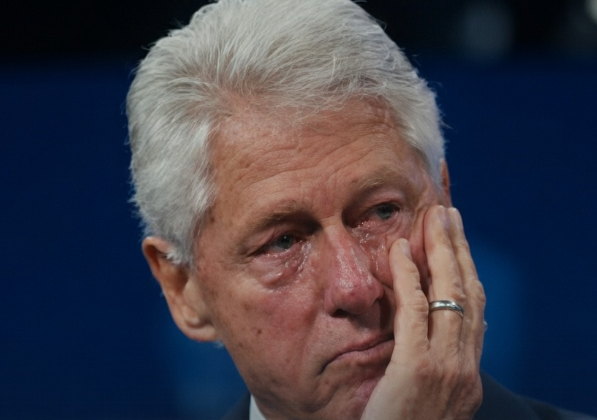
Moving beyond the celebratory rhetoric of his past presidency, Bill Clinton recently delivered a sobering assessment of the modern American landscape. Addressing a nation grappling with profound social fragmentation and institutional distrust, the former president emphasized that the current climate of fear and fatigue is more than just political; it is personal. He highlighted the devastating emotional toll of partisan victory, noting how deep-seated disagreements have permeated dinner tables and severed family ties, effectively transforming fellow citizens into permanent enemies.
Despite the gravity of his message, Clinton wove a stubborn thread of hope and resilience throughout his address. He looked back at pivotal moments in American history to remind his audience that the nation has previously overcome chaos through compromise and courage. Rejecting the notion of democracy as a mere “spectator sport,” he issued a stern call for active participation across all sectors of life—from digital spaces to the ballot box. His central plea was clear: the defense of democracy requires more than passive observation; it demands a renewed commitment to basic democratic habits like listening, negotiating, and valuing shared nationhood. The speech concluded not with a celebratory roar, but with a heavy sense of collective responsibility. Clinton’s transition from a leader of 1990s prosperity to a modern-day advocate for social fabric repair serves as a stark reminder of the current stakes. Ultimately, his address functioned as both a lament for lost bipartisanship and an urgent call for ordinary citizens to demonstrate the civic courage necessary to heal a deeply divided country.