Social media platforms were recently engulfed in chaos following a surge of unverified reports claiming that former U.S. President Donald Trump had been “shot again” in Washington, D.C. These dramatic headlines triggered immediate panic and speculation across the globe. However, professional journalistic verification quickly revealed that the sensational claims were entirely baseless. No credible news outlets, law enforcement agencies, or the Secret Service have confirmed any such incident, and no medical reports support the narrative of a new attack.
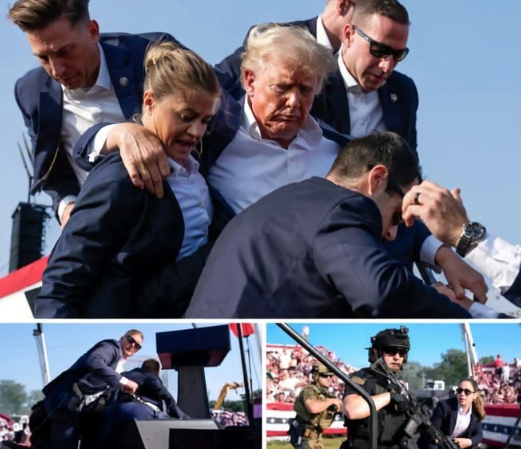
Investigation into the source of the rumors suggests they were fueled by misinformation, including recycled footage and misleading captions designed to generate engagement and clicks. In the current digital climate, unverified social media accounts often distribute provocative content that spreads faster than factual updates. This specific instance highlighted the vulnerability of the public to disinformation, as the narrative was crafted to provoke an emotional response rather than provide accurate reporting on the former president’s safety. It is crucial to distinguish these false alarms from the legitimate and well-documented assassination attempt that occurred in 2024 at a rally in Butler, Pennsylvania. While that previous event led to heightened security measures and ongoing federal investigations, authorities confirm that no similar incident has occurred recently in Washington, D.C. Security experts have warned that such false reports are not harmless; they can overwhelm emergency systems, trigger public anxiety, and significantly erode trust in legitimate journalism and official government communications. Political analysts observe that high-profile figures like Donald Trump are frequently the subjects of information warfare, especially during periods of high political tension. The objective of such fabricated news is often to sow division or profit from viral traffic. This episode serves as a stark reminder for the public to exercise critical thinking and rely on trusted, verified news sources when encountering “breaking news” online, as the consequences of unchecked misinformation can be severe for both public safety and democratic stability.