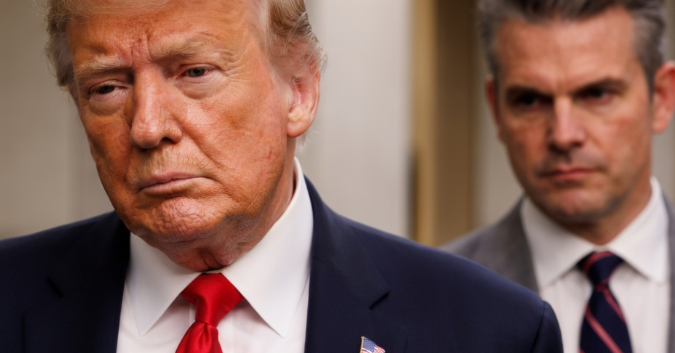
In a high-stakes moment for Middle Eastern stability, President Donald Trump has declined to approve a new 45-day ceasefire proposal designed to de-escalate the ongoing conflict with Iran.
The proposal, drafted by a coalition of mediating nations including Pakistan, Egypt, and Turkey, sought to facilitate the reopening of the Strait of Hormuz and provide a diplomatic window for a long-term resolution. However, a White House official confirmed that the administration views the plan as merely one of many options, emphasizing that U.S. military operations against Iranian targets are continuing without interruption. This rejection comes amid Trump’s previous warnings of massive strikes on Iranian infrastructure, specifically targeting power plants, should the maritime blockade of the Strait of Hormuz persist. Simultaneously, Tehran has expressed its own firm opposition to the temporary truce. Iranian officials, led by Foreign Minister Abbas Araghchi, argue that a short-term ceasefire would serve only to benefit their adversaries by providing time to regroup and prepare for renewed hostilities. Iran has reportedly developed its own counter-response to U.S. demands but remains steadfast in rejecting any pause that does not address their core security concerns, including the presence of U.S. military bases in the region. Despite the current deadlock, international mediators remain hopeful that a breakthrough can be achieved before Trump’s self-imposed Tuesday deadline of 8 p.m. ET, an ultimatum that carries the threat of significant kinetic escalation. As the war enters its sixth week, Israel is taking decisive steps to bolster its defensive capabilities in anticipation of sustained aerial retaliation. The Israeli government, under the direction of Defense Minister Israel Katz and ministry director General Amir Baraam, has approved an accelerated production plan for Arrow missile interceptors. This system, developed in conjunction with Israel Aerospace Industries, is the top tier of the nation’s multi-layered defense shield, specifically designed to neutralize long-range ballistic missiles. While reports had suggested that Israeli interceptor stockpiles were reaching critical lows, Katz dismissed these claims, asserting that the state possesses sufficient resources to protect its citizens while ensuring continued operational freedom against the Ayatollah regime. The geopolitical complexity of the conflict is further highlighted by the stance of the United Arab Emirates. Anwar Gargash, a senior advisor to the UAE presidency, emphasized that any sustainable ceasefire must address the security anxieties of Gulf Arab states. The UAE is calling for a comprehensive agreement that goes beyond a simple cessation of U.S.-Israeli actions, demanding that Tehran’s nuclear program, ballistic missiles, and drone technologies be part of the negotiations. Gargash warned that Iran’s continued belligerence would only serve to cement the United States‘ military role in the region and increase Israeli influence among Gulf nations, contrary to Tehran’s stated goal of removing foreign forces from the Middle East.