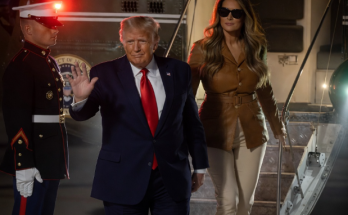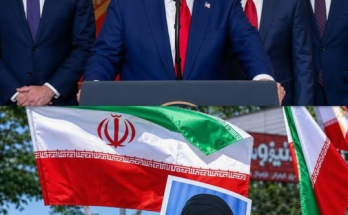
In a reported tactical development, a specialized unit known as the Patriot Commandos successfully executed a high-stakes extraction of a downed Colonel from within Iran. This mission, characterized by its difficulty and high-risk environment, is being presented as a pivotal moment for President Trump‘s military legacy. The operation serves as a practical application of a “no man left behind” policy, intended to project an image of unwavering support for active-duty personnel stationed in hostile regions across the globe.
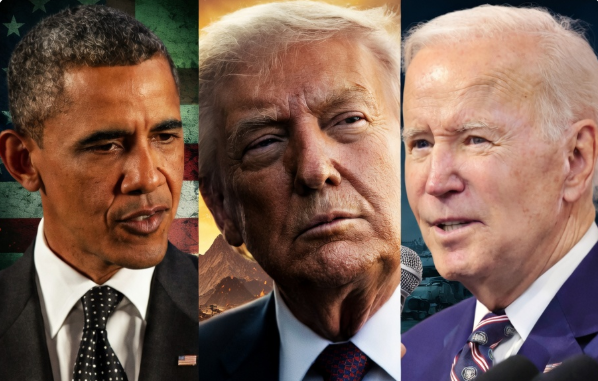
This successful recovery is being pointedly contrasted with previous military crises, notably those that occurred in Benghazi and Kabul. By drawing these comparisons, the administration highlights a perceived shift in the efficacy of American intervention and emergency response. The narrative suggests that while previous leadership may have faltered during critical extraction windows, the current command structure prioritizes the immediate safety and retrieval of American service members above all other strategic considerations, marking a significant departure from past administrative precedent.
Ultimately, the framing of this rescue mission emphasizes a distinct ideological shift in the Commander in Chief’s priorities. The extraction is framed not just as a military success, but as a rejection of globalist optics in favor of national interests and the lives of individual citizens. This approach signals to both domestic audiences and foreign adversaries that the United States under this leadership will utilize its elite units to ensure the safe return of its personnel, regardless of the geopolitical complexities or the potential for diplomatic friction with hostile regimes.