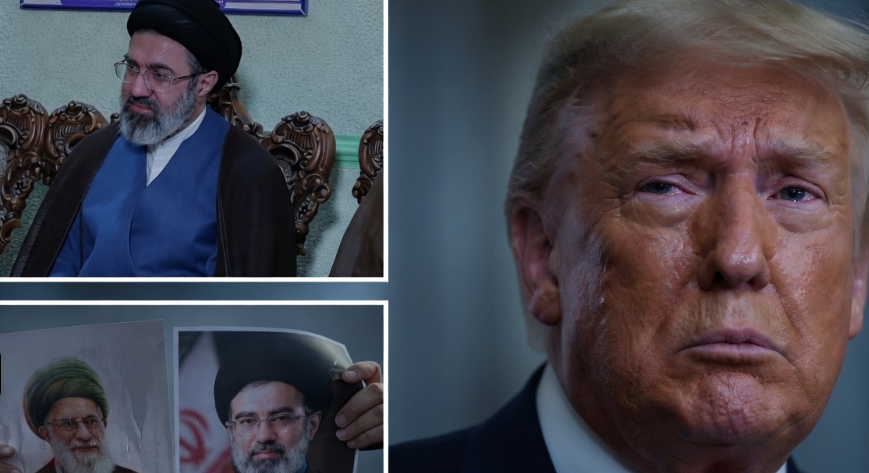
The recent strikes by the United States and Israel against targets in Iran have marked a significant escalation, shattering hopes of containing regional conflict. Labeled Operation Epic Fury, the military campaign reportedly targeted Iranian military and nuclear infrastructure to neutralize what officials described as imminent threats.
This operation resulted in the destruction of various air-defense installations, signaling a direct confrontation that has sent shockwaves through global markets and sparked international concern. While Tehran claimed to have intercepted several missiles, the damage to strategic compounds remains evident. Iranian leaders have responded with aggressive rhetoric, vowing “devastating revenge,” which heightens the risk of a broader regional war. Simultaneously, diplomats from Europe and other global powers are desperately urging restraint to prevent further destabilization of the Middle East. The human impact is palpable as families in cities like Tehran and Tel Aviv remain in a state of high alert, monitoring for sirens and further developments. As the international community watches, the primary question remains whether this operation will serve as a singular deterrent or the catalyst for a much larger, uncontrollable conflict involving multiple regional actors.