The geopolitical landscape of the Middle East remains in a state of extreme volatility following a U.S.-brokered cease-fire that has come under immediate duress. Only hours after President Donald Trump announced a cessation of hostilities, a narrative of accusation and denial emerged, threatening to dismantle the diplomatic breakthrough. The Israeli military has formally accused Iran of violating the terms of the truce by launching a series of missile barrages shortly after the agreement was enacted. These claims highlight the extreme fragility of a peace process intended to end nearly two weeks of high-intensity conflict, but which now appears to be teetering on the edge of collapse.
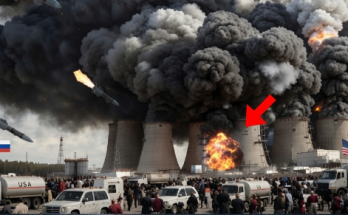
The human cost of these alleged violations became tragically clear in the southern city of Beersheba. According to local reports, a missile bypassed defensive measures to strike a residential building, claiming the lives of at least four people and leaving many others injured. This strike triggered alarms across multiple regions, forcing thousands of civilians to return to bomb shelters and subterranean bunkers. The event has served as a grim reminder that despite the sophistication of Israel’s air defense systems, the risk to civilian life persists as long as the strategic balance remains unsettled. Emergency responders in Beersheba have spent the hours following the strike assessing structural damage and providing critical care to those affected by the blast.
Contrasting the reports from Israel, Iranian state media has issued a total denial of any military activity following the start of the truce. Officials in Tehran have framed the cease-fire as a “strategic success,” positioning their government as a disciplined actor exercising restraint in the face of provocation. This discrepancy in accounts creates a significant hurdle for international observers. Without a neutral party to verify the timeline of events, the “fog of war” has allowed both sides to construct competing narratives aimed at both domestic supporters and the international community. The Iranian leadership appears focused on projecting an image of strength and adherence to diplomatic norms, even as the situation on the ground remains contested.
The timing of the cease-fire was particularly notable, occurring on the eve of a NATO summit. President Donald Trump’s announcement was seen as a bold attempt to assert U.S. diplomatic leadership and de-escalate a conflict that threatened to draw in broader regional powers. However, the sudden nature of the deal reportedly caught some within the Trump administration off guard, raising questions regarding the level of coordination behind the move. Despite the logistical and political questions surrounding its origin, the primary goal of the truce was to create a window for humanitarian relief and to establish a foundation for more substantive, long-term negotiations between the two adversaries.
As the first critical hours of the truce pass, the challenge of verification remains the most significant obstacle to peace. Analysts are currently relying on satellite imagery and intercepted communications to determine the validity of the missile launch reports. In the absence of independent monitors in the conflict zone, the truth remains obscured by the strategic interests of Israel and Iran. For the United States, the stakes are high; a failure of the cease-fire would not only lead to renewed bloodshed but also diminish the perceived efficacy of American diplomatic intervention in the region. Humanitarian organizations have renewed their calls for both parties to honor the agreement, noting that the psychological and physical toll on civilians in both Israel and Iran is reaching a breaking point.
Ultimately, the success of this Trump-brokered agreement depends on whether the parties involved prioritize de-escalation over immediate military or political gains. The Middle East currently sits at a crossroads: one path leads toward a stabilized, monitored truce that allows for the delivery of aid and a return to normalcy for civilians; the other leads back into a cycle of escalation that could have far-reaching consequences for global security. For now, the world remains in a state of watchful waiting, as the durability of this fragile peace is tested by every siren and every official statement issued from Tel Aviv or Tehran.