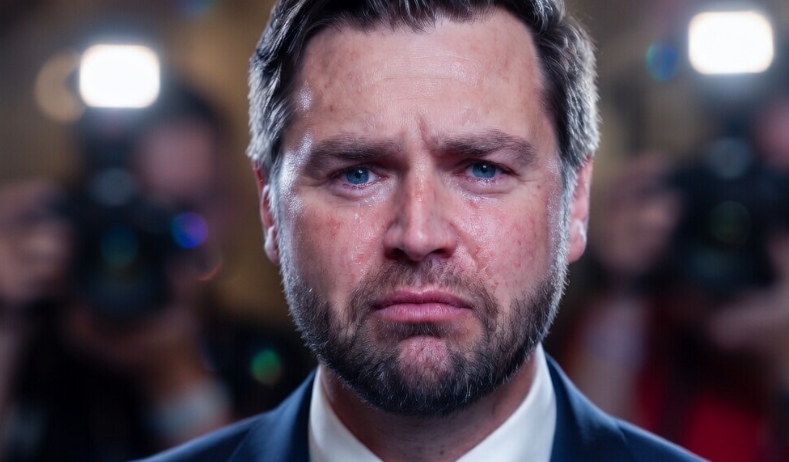
Recent remarks by JD Vance have ignited a rare and unified wave of criticism across the United Kingdom, bridging political divides.
From Prime Minister Keir Starmer to prominent figures like James Cleverly, James Cartlidge, and Johnny Mercer, the consensus remains clear: the special relationship demands a foundation of mutual respect. Military voices, including Lord West and Patrick Sanders, have joined the fray to emphasize that international alliances are built on more than strategy; they are rooted in the shared sacrifice and risks undertaken by allied nations. This intense discourse transcends partisan boundaries, tapping into a legacy of military and economic cooperation that has defined the transatlantic alliance for decades. To veterans and current service members, rhetoric that appears to trivialize these historical contributions is perceived as a direct insult to the mutual trust established on the battlefield since the World Wars. This episode highlights that in the arena of global diplomacy, the language utilized by public figures carries immense weight, acting as a barometer for the health of international bonds. Ultimately, while the partnership between the United Kingdom and the United States remains structurally sound, this unified response serves as a vital lesson in leadership responsibility. It reinforces the idea that the strength of the special relationship is not just found in policy documents, but in the reciprocal recognition of shared history and honor. In an era of shifting geopolitical priorities, the careful maintenance of these cultural and historical ties remains the ultimate test of a bond’s enduring strength.