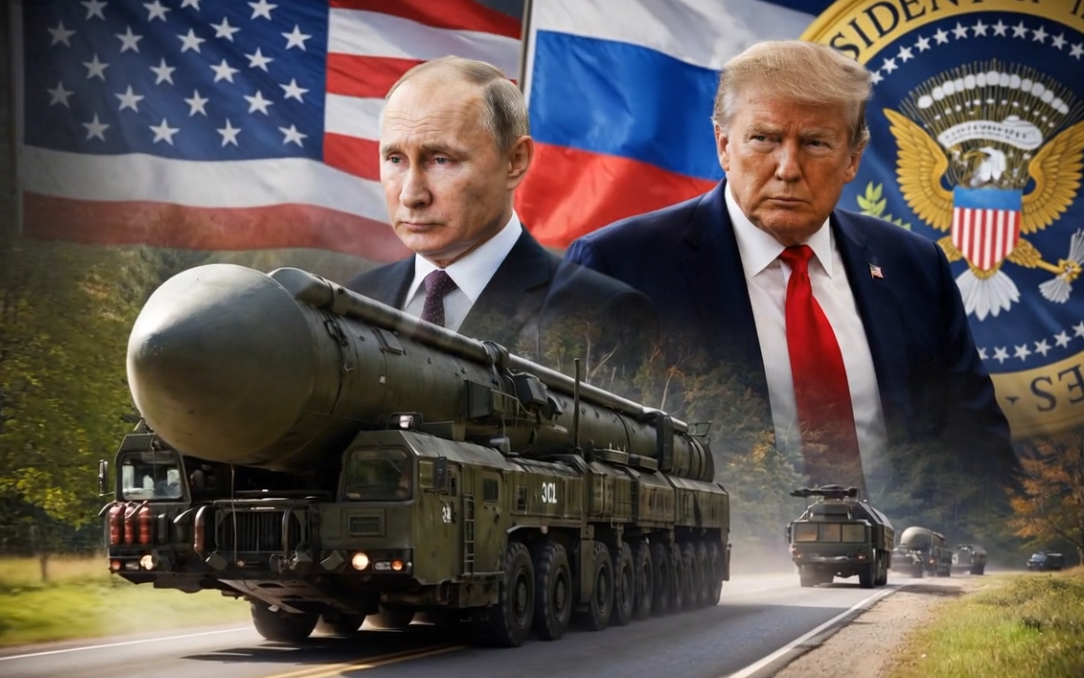
The ongoing conflict in Ukraine has acted as a catalyst for a profound geopolitical realignment, shattering long-held assumptions regarding European stability.
Faced with the end of post-Cold War complacency, European leaders are now treating security and defence as immediate existential priorities. This shift is characterized by a significant surge in military budgets and a massive overhaul of infrastructure designed to facilitate the rapid cross-border deployment of troops and military equipment. The urgency is most visible in Eastern Europe, where governments are implementing practical emergency measures to enhance readiness. Yet, a widening gap persists between high-level strategic planning and public sentiment, as many citizens feel inadequately prepared for the realities of contemporary warfare. This internal friction complicates efforts to satisfy international allies, who are increasingly insistent that Europe assume full responsibility for its own regional security infrastructure. While the continent moves toward greater self-reliance, it must navigate deep-seated structural limitations and bureaucratic hurdles that threaten to slow progress. The transition toward operational resilience is now a critical race against time. The ultimate test for European systems is whether they can modernize rapidly enough to effectively mitigate the mounting threats of this new, destabilizing era.