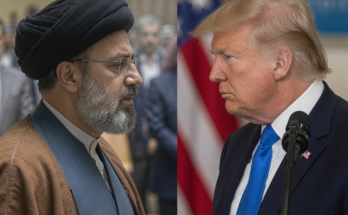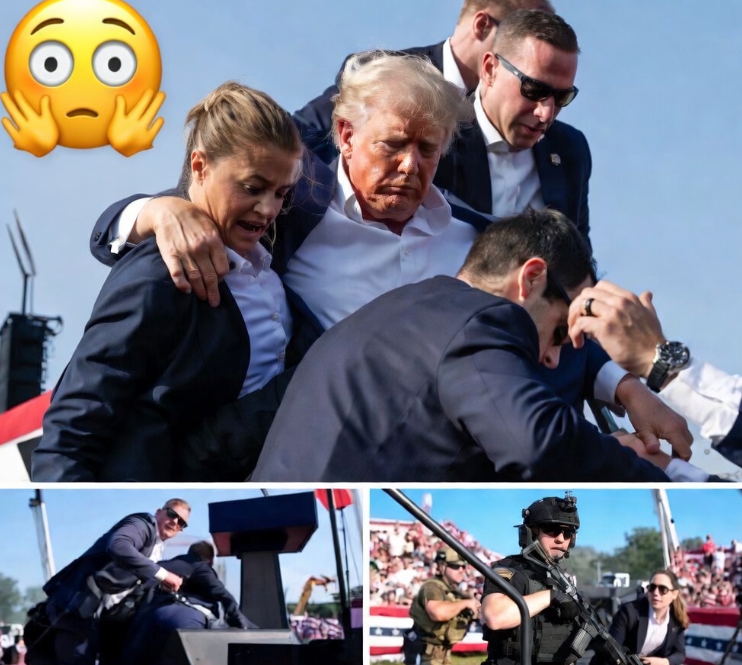
Social media platforms were recently set ablaze by a wave of viral claims alleging that former U.S. President Donald Trump had been “shot again” in Washington, D.C. The sensational nature of these reports caused immediate panic and widespread speculation across the internet. However, an investigation into the matter reveals that there is absolutely no evidence to support these claims. No law-enforcement agency, the Secret Service, or any credible international news organization has confirmed an attack.
The silence from official channels strongly suggests that the story is a fabricated digital hoax. Much of the hysteria was traced back to unverified accounts using recycled footage and emotionally charged captions to drive clicks and engagement. This incident highlights a growing trend in the digital environment where misinformation spreads far faster than verified updates. While there was a documented assassination attempt against Donald Trump in 2024 in Butler, Pennsylvania, which led to significant changes in his security detail, there have been no new confirmed incidents. Authorities have stressed the importance of differentiating between historical events and current, unverified rumors. Security experts and political analysts warn that these false alarms are more than just harmless rumors; they place an unnecessary strain on emergency services and public safety agencies. Furthermore, they contribute to the erosion of public trust in legitimate journalism. These types of misinformation campaigns often target high-profile figures during periods of national tension to provoke outrage or division. Journalists urge the public to remain vigilant, practice verification, and wait for statements from trusted news outlets before sharing inflammatory “breaking news” content.