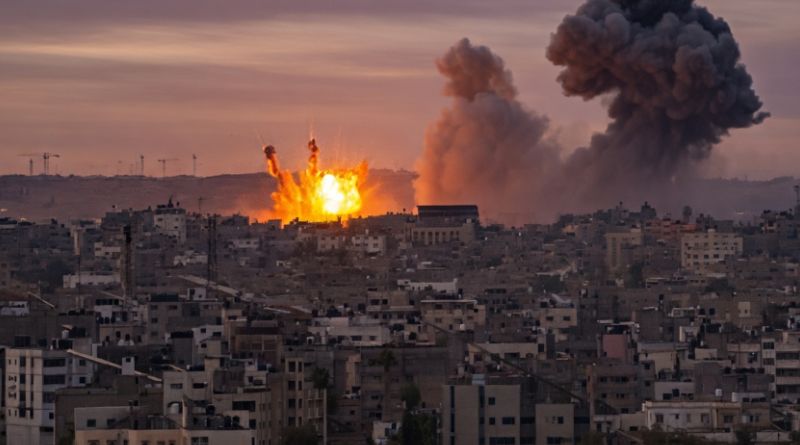
For many years, Israel has remained at the center of ongoing tensions in the Middle East, and in 2025, these challenges continue to evolve. Recent reports indicate an increase in security incidents, including missile launches, localized clashes along borders, and the activation of defensive systems. While the full details are still emerging, these developments suggest a renewed period of instability influenced by both immediate events and long-standing regional disputes.
In response, Israel’s defense forces have heightened their level of readiness. Air defense systems have been activated in key areas, and emergency protocols have been implemented across major cities. Government officials have called on the public to remain calm, emphasizing that these measures are precautionary and aimed at protecting civilian populations. Maintaining public confidence has been a key priority as authorities work to manage the situation.
One of the main challenges in understanding the current developments is the lack of confirmed responsibility for the attacks. No specific group has been officially identified, though analysts often point to non-state actors operating in neighboring regions. In addition, broader geopolitical tensions continue to shape the environment, making it difficult to separate individual incidents from larger strategic dynamics.
The complexity of the region adds further uncertainty. Multiple actors, each with their own motivations and historical grievances, may play a role in escalating tensions. This makes it essential to approach early reports with caution and rely on verified information as it becomes available. Misinterpretation or misinformation can quickly intensify an already fragile situation.
Israeli authorities have increased surveillance efforts and implemented targeted defense strategies to respond to potential threats. At the same time, leadership has emphasized the importance of avoiding a wider escalation. Balancing strong security measures with restraint remains a critical aspect of the country’s approach.
Diplomatic engagement is also ongoing. Officials are in communication with international allies to coordinate responses that include both security and humanitarian considerations. This reflects a broader strategy that recognizes the importance of dialogue alongside defense.
The implications of rising tensions extend beyond Israel. Increased instability could disrupt trade, affect regional economies, and create additional humanitarian challenges. Neighboring countries and international organizations have expressed concern, urging all parties to exercise restraint and prioritize de-escalation.
Despite the challenges, efforts toward long-term peace continue. Civil society groups, international organizations, and mediators remain active in promoting dialogue and reducing hostilities. Their work highlights the ongoing importance of cooperation and sustained engagement.
Ultimately, the global community plays a vital role in supporting stability through diplomacy, humanitarian aid, and peacebuilding efforts, helping to address both immediate risks and underlying causes of conflict.