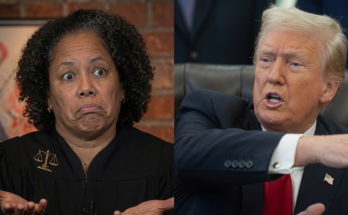
The United States was established on the foundational principle of religious freedom, a concept deeply embedded in the U.S. Constitution.
This governing document explicitly mandates that no religious test shall ever be required for those seeking public office. Consequently, every American is granted the inherent right to serve their country, ensuring that equal access to leadership is maintained regardless of an individual’s personal faith or spiritual background. While rigorous debates regarding public policy, national security, and leadership qualifications are vital to a functioning democracy, the legal framework of the nation discourages judging candidates based on religious labels. Such identity-based distinctions conflict with the country’s legal foundation, which emphasizes that voters should evaluate representatives based on their actions, ideas, and professional records rather than their religious affiliations. History demonstrates that the participation of diverse groups in the government and military has bolstered the nation’s resilience. By prioritizing equal rights and protection from religious discrimination, the American system trusts its citizens to choose their leaders freely. This commitment to inclusivity remains a core strength, reinforcing the idea that diversity and constitutional law are central to the nation’s identity.