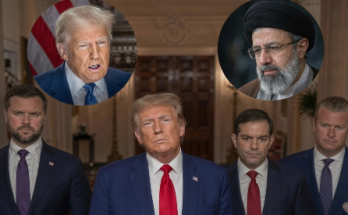
Public scrutiny has intensified following a controversial statement by Donald Trump, set against the backdrop of an increasingly volatile conflict between Iran and its regional neighbors. This heightened rhetoric comes as the Middle East faces severe instability following coordinated military actions by the United States and Israel. The violence, which has permeated through multiple nations, is now significantly impacting the UAE, Saudi Arabia, Kuwait, Qatar, and Lebanon, raising international concerns about regional security and diplomatic stability.
A critical aspect of the current escalation involves systematic attacks on energy infrastructure within the Persian Gulf. Reports indicate that Iran has maintained its focus on targeting vital energy facilities, leading to a direct threat to global oil markets. Most recently, on Friday morning, a major fire erupted at the Mina al-Ahmadi oil refinery in Kuwait. This incident follows a reported drone attack, underscoring the shift toward asymmetric warfare targeting economic assets. As hostilities broaden, the geopolitical landscape remains fragile. The combination of high-level political controversy and direct military strikes on critical infrastructure suggests a prolonged period of unrest. Regional powers are now navigating a complex environment where traditional diplomacy is being overshadowed by military maneuvers and drone technology, leaving the international community on high alert for further disruptions in the Persian Gulf region.