President Donald Trump has publicly criticized the transition of power in Tehran, specifically questioning the selection of Mojtaba Khamenei as the new supreme leader. This leadership change follows the death of his father, Ayatollah Ali Khamenei, who was reportedly killed in an airstrike at the onset of Operation Epic Fury. Trump expressed deep skepticism regarding the younger Khamenei’s ability to “live in peace”
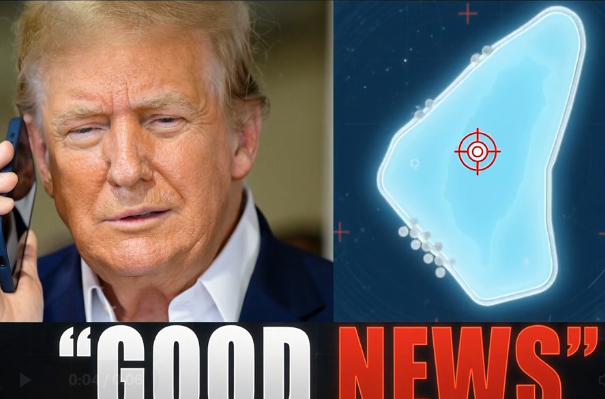
and noted that the joint U.S.-Israeli military campaign has already achieved results that significantly surpass initial strategic expectations. The President heightened regional tensions by issuing a stark ultimatum via Truth Social. Trump warned that the Iranian regime would face retaliation “twenty times harder” should they attempt to obstruct the flow of oil through the Strait of Hormuz. He further emphasized that the United States possesses the capability to neutralize critical, “easily destroyable targets” that would fundamentally prevent the nation from ever being built back. While the President stated he does not desire such a catastrophic outcome, he maintained that the current military posture is a necessary response to ongoing threats. According to U.S. Central Command (CENTCOM) and Secretary of War Pete Hegseth, the military campaign has been characterized by “overwhelming force.” Since Operation Epic Fury launched on February 28, forces have struck over 7,000 targets, including IRGC headquarters, ballistic missile sites, and naval facilities. Hegseth reported that Iran’s air defenses have been effectively “flattened” and its defense industrial base systematically dismantled. The operation continues to target the production lines for missiles and drones, ensuring that Iran’s military capabilities remain in a state of continuous degradation.