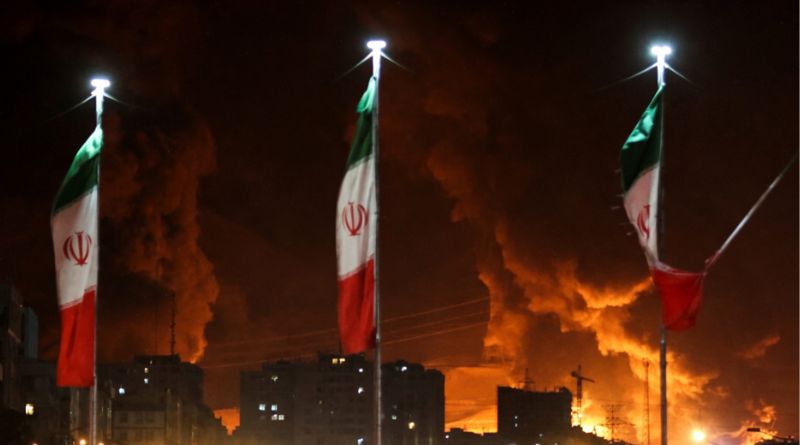
Recent developments in the Middle East have drawn international attention as tensions between Iran and Israel continue to rise. Governments and global organizations are closely monitoring the situation, particularly given the presence of sensitive nuclear facilities in the region. Reports circulating online suggest that military operations and missile exchanges may have heightened concerns about the safety of several nuclear-related sites. However, many of these claims remain unverified, and experts caution against relying on early or unofficial information.
Public focus has centered on Iran’s nuclear infrastructure, including the Bushehr Nuclear Power Plant, the Natanz Nuclear Facility, and the Fordow Fuel Enrichment Plant. These sites have long been key points in international discussions on nuclear development and oversight. At the same time, attention has also turned to Israel’s Negev Nuclear Research Center, a highly sensitive facility located near Dimona in the Negev Desert. Some reports have raised concerns about the surrounding area, though there is no confirmation of any breach or direct threat to the site itself. Because nuclear facilities carry potential safety and environmental risks, the situation has attracted the attention of the International Atomic Energy Agency (IAEA). The agency monitors nuclear sites worldwide and provides guidance on safety and non-proliferation. According to public statements, officials have scheduled discussions to assess potential risks and ensure that nuclear materials remain secure. Such meetings are standard procedure when geopolitical tensions arise near sensitive infrastructure.
Nuclear power plants and research centers are built with multiple safety systems to prevent environmental hazards. International guidelines emphasize containment structures, monitoring, and emergency response planning. Experts note that, even amid conflict, global institutions work to maintain oversight, communication, and risk mitigation. While speculation and unverified reports can spread quickly online, information from official agencies remains the most reliable source. At present, governments, research institutions, and international organizations are carefully observing developments in the region. Diplomatic efforts and international dialogue often intensify during periods of heightened tension to reduce risks and encourage stability. For the broader international community, the priority remains clear: safeguarding sensitive infrastructure and preventing incidents that could endanger people or the environment. As events unfold, verified updates from trusted sources will provide the most accurate understanding of the situation, allowing both policymakers and the public to respond appropriately.