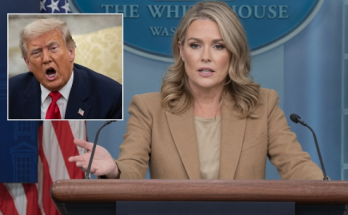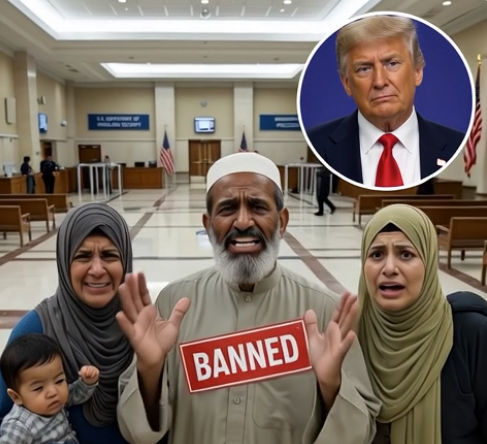
A proposal associated with former President Donald Trump to restrict entry into the United States for travelers from several Muslim-majority countries has renewed a nationwide debate over immigration policy. The issue has become a prominent topic in political discourse, media coverage, and public discussion, as Americans weigh how immigration policies should balance national security with fairness and constitutional principles.
Supporters of stricter entry policies argue that governments have a responsibility to maintain secure borders and prioritize the safety of their citizens. From this viewpoint, targeted travel restrictions or enhanced screening procedures could allow authorities to more effectively assess potential security risks and strengthen immigration enforcement. Advocates often emphasize that such measures are intended to address security concerns related to specific regions or intelligence assessments, rather than to target any religion. Critics, however, contend that policies affecting Muslim-majority countries may appear discriminatory and conflict with American values of religious freedom. Advocacy groups and legal scholars frequently reference protections such as the First Amendment to the United States Constitution, which guarantees freedom of religion, arguing that policies perceived as targeting a particular faith could undermine the nation’s reputation for tolerance and inclusion. Opponents also warn that broad restrictions could affect families, students, refugees, and professionals with no connection to security threats, potentially deepening social divisions and drawing international criticism. The debate reflects a broader national conversation about immigration, identity, and security in the United States. As policymakers consider potential reforms, the challenge remains finding solutions that address legitimate security concerns while preserving the country’s core ideals of equality, opportunity, and religious liberty.