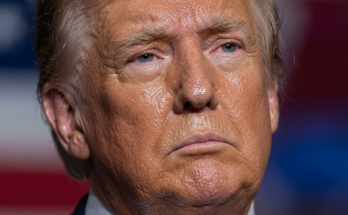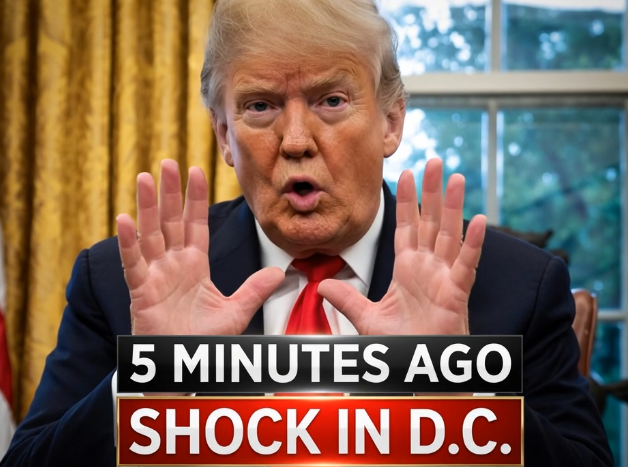
Federal prosecutors have unveiled a sweeping indictment against former President Donald Trump, alleging a strategic campaign to subvert fundamental democratic processes in the United States. The charges—ranging from conspiracy to defraud the government to the obstruction of an official
proceeding—frame a high-stakes legal battle centered on the protection of constitutionally guaranteed rights. While the filing provides a general outline of the prosecution’s case, key evidentiary details remain under seal, leaving significant portions of the investigation shielded from public view. The announcement has sparked a sharp divide across the American political landscape. Supporters of Donald Trump have dismissed the legal action as a politically motivated maneuver, reaffirming their allegiance as the case progresses. Conversely, critics highlight the gravity of the allegations, arguing that the charges are essential for upholding the rule of law and safeguarding the integrity of the nation’s democratic institutions against unprecedented interference. As this historic legal battle unfolds, legal analysts note that the case carries profound implications for the American presidency and the U.S. Constitution. Judges are tasked with navigating complex precedents and reviewing evidence that scrutinizes the actions of a former commander-in-chief. The proceedings are expected to be among the most closely watched in modern history, with the potential to reshape legal standards regarding executive accountability and the limits of political conduct.