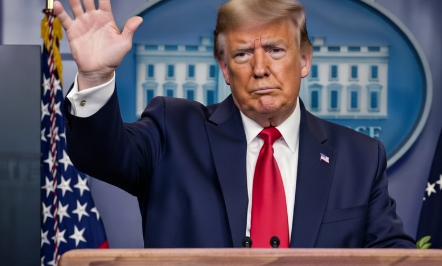
Federal prosecutors have unveiled a comprehensive indictment against former President Donald Trump, accusing him of orchestrating a deliberate effort to subvert the United States‘ democratic foundations. The charges—ranging from conspiracy to defraud to the obstruction of an official proceeding—allege a direct assault on the nation’s electoral system and the peaceful transfer of power.
While specific evidence remains partially under seal, the legal action has ignited a firestorm across the political spectrum. Legal experts characterize the case as a watershed moment in American political history, highlighting the unprecedented nature of charging a former leader with interfering in constitutional rights. The judicial system is now tasked with weighing the evidence against existing laws, a process that will likely dominate national discourse in the coming months. Beyond the courtroom, the case underscores a profound tension between political authority and legal accountability. The final verdict is expected to have long-term consequences for public confidence in democratic institutions and the future of the rule of law. As the nation watches, the proceedings will serve as a critical test for the limits of presidential power and the resilience of the American judiciary.