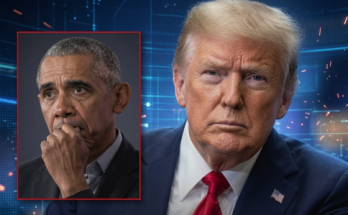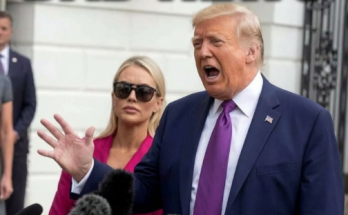
In a momentous development for the United States judicial system, federal prosecutors have announced a sweeping set of allegations against a former U.S. president. The indictment accuses the former commander-in-chief of participating in a deliberate, coordinated effort to undermine the nation’s democratic processes. Key charges include conspiracy to defraud the United States, obstruction of an official proceeding, and interference with rights protected under the Constitution.
These accusations directly target the fundamental mechanisms through which the country conducts and secures its electoral outcomes. The legal filing, while expansive, maintains a level of secrecy as several specific details remain sealed from public view. This lack of full disclosure has not prevented a wave of intense reactions across the political spectrum. Supporters of the former president have mobilized to defend his actions, while critics emphasize the unprecedented seriousness of the charges regarding national security and democratic integrity. This case marks a critical juncture in the ongoing legal challenges surrounding the former executive. As the legal process advances, the federal courts will be tasked with evaluating a complex array of evidence, legal arguments, and historic precedents. The proceedings are expected to occur within a highly scrutinized environment, as the outcome holds significant implications for the rule of law and the future of American democracy. The world now watches as the Department of Justice prepares to argue its case in what is being described as one of the most significant legal battles in modern history.