Hillary Clinton Criticizes Trump’s Iran Strategy, Calls for Greater Leadership Accountability
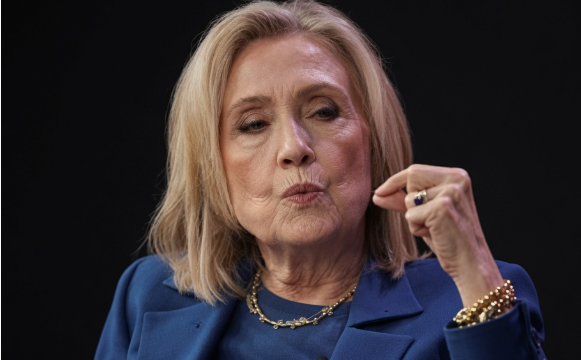
Former Secretary of State Hillary Clinton is calling for greater accountability from U.S. leaders while expressing concern that the United States has lost leverage in its relationship with Iran following the collapse of recent diplomatic negotiations.
During a media interview, Clinton argued that the words and actions of an American president carry significant consequences both at home and abroad. She said presidential rhetoric can influence international perceptions of U.S. leadership and affect the country’s credibility on the global stage.
“Words, especially from an American president, have real consequences,” Clinton said. “We need to hold leaders accountable for what they say as well as what they do.”
Her comments came after negotiations aimed at addressing Iran’s nuclear program ended without an agreement. The unsuccessful talks have intensified tensions between Washington and Tehran and raised new questions about the future of U.S. policy toward Iran.
Clinton said the collapse of the negotiations has weakened the United States’ strategic position.
“I worry that the United States is now in a very weak position vis-à-vis Iran,” she said, arguing that Washington has lost important leverage that could have been used during future diplomatic discussions.
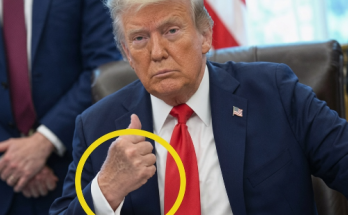
She offered a mixed assessment of President Donald Trump’s approach to Iran. Clinton said she supported the administration’s earlier targeted military strike against Iranian nuclear facilities, describing it as a limited operation with a clear objective. However, she criticized subsequent actions, saying they lacked a consistent long-term strategy.
“I supported Trump bombing the nuclear sites back in June,” Clinton said. “I thought that was an appropriate and limited strategic objective.”
Clinton also emphasized the importance of experienced foreign policy professionals in shaping U.S. nuclear and diplomatic strategy. She argued that future negotiations should involve experts with extensive knowledge of nuclear weapons, international security, and arms control.
Reflecting on her tenure as secretary of state, Clinton recalled discussions with Israeli leaders regarding Iran and said U.S. policymakers have traditionally sought clearly defined objectives before supporting extended military involvement.
The Trump administration rejected Clinton’s criticism. In a statement, White House officials defended the president’s Iran policy, arguing that it is designed to restore deterrence, strengthen national security, and reverse what they described as shortcomings of previous administrations, including the Obama-era nuclear agreement.
The exchange highlights the continuing debate over the best approach to Iran, with supporters of the administration favoring increased military and economic pressure while critics argue that sustained diplomacy remains the most effective path toward long-term regional stability and nuclear security.