Federal Judge Dismisses Michael Wolff’s Lawsuit Against Melania Trump on Procedural Grounds
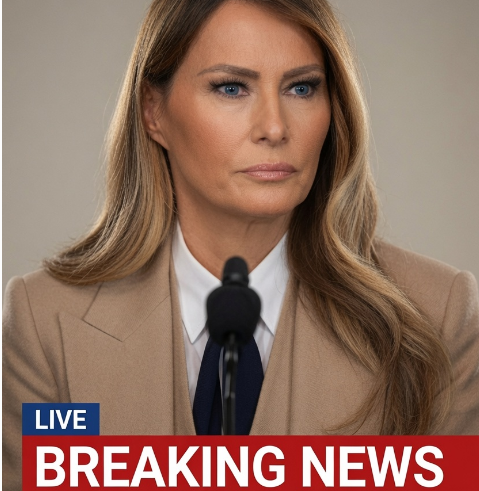
A federal judge has dismissed a lawsuit filed by author and journalist Michael Wolff against First Lady Melania Trump, ruling that the case was filed prematurely and could not proceed under the legal framework presented. The decision leaves unresolved the underlying dispute and preserves the possibility of future litigation if a defamation lawsuit is formally filed.
In a 45-page opinion issued Friday, U.S. District Judge Mary Kay Vyskocil of the Southern District of New York concluded that although an actual disagreement exists between the parties, Wolff’s request for judicial relief was not appropriate at this stage. The court determined that Wolff was effectively seeking a declaration that he would prevail in a defamation case before such a lawsuit had even been filed.
“While Plaintiff and the First Lady have a real dispute, they must litigate it according to the same procedures as everyone else,” Judge Vyskocil wrote in the opinion. “Plaintiff asks for a declaration that, if the First Lady sues him, he deserves to win. That is not how the federal courts work.”
The dispute originated after Wolff made public comments linking Melania Trump to the late financier Jeffrey Epstein. In response, Melania Trump’s attorney, Alejandro Brito, sent Wolff a formal demand letter requesting that he retract the statements and warning that a defamation lawsuit seeking substantial damages could follow if he declined to do so.
Rather than waiting for legal action from the First Lady, Wolff filed a lawsuit in New York state court seeking a declaratory judgment that his remarks were protected under the First Amendment or had been misunderstood or taken out of context. He also argued that the Trump family has a history of using litigation to discourage criticism. The case was subsequently transferred to federal court.
Following the ruling, a spokesperson for Melania Trump welcomed the dismissal and said the First Lady remains committed to protecting her reputation against what the spokesperson characterized as false and defamatory allegations.
Melania Trump has consistently denied any connection to Jeffrey Epstein or his longtime associate, Ghislaine Maxwell. She has publicly stated that she never visited Epstein’s private island, never traveled on his aircraft, and had no knowledge of his criminal conduct.
The court’s decision does not determine whether Wolff’s statements were defamatory. Instead, it addresses only whether the lawsuit was properly filed, leaving open the possibility that the dispute could return to court if Melania Trump later decides to pursue a formal defamation claim. Meanwhile, Wolff continues to defend his reporting, arguing that the legal dispute raises important questions concerning free speech and press freedom.