Trump Administration Pursues Iran Agreement as Qatar Talks Continue Amid Ongoing Regional Tensions
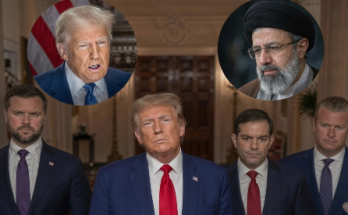
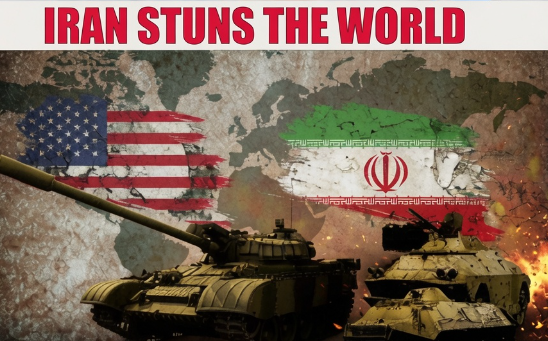
The Trump administration continues diplomatic efforts aimed at reaching a comprehensive agreement with Iran, with negotiations taking place through intermediaries in Qatar as officials seek to address the conflict, Iran’s nuclear program, and security in the Middle East.
Secretary of State Marco Rubio said the United States remains committed to restoring unrestricted navigation through the Strait of Hormuz, one of the world’s most important maritime trade routes. Speaking during a visit to India, Rubio described the continued disruption of commercial shipping as “unacceptable” and emphasized that reopening the waterway remains a central objective of the negotiations.
Rubio confirmed that U.S. and Iranian representatives are engaged in discussions in Qatar to develop a framework for a possible agreement. He reiterated President Donald Trump’s position that the United States is seeking “a good deal or no deal,” while acknowledging that negotiators continue to work through complex issues before any final agreement can be reached.
As diplomatic discussions proceeded, U.S. Central Command announced that American forces conducted what it described as self-defense strikes in southern Iran. According to Capt. Tim Hawkins, the operation targeted missile launch sites and Iranian vessels that U.S. officials said were attempting to deploy naval mines near strategic maritime routes.
Defense officials stated that the strikes were intended to protect American personnel and military assets while preserving the broader cease-fire framework. A senior U.S. military official said American aircraft and naval forces operating near the Gulf of Oman and the Arabian Sea had faced threats from Iranian surface-to-air missile systems, with military operations occurring near the Iranian port and naval base at Bandar Abbas.
Despite the military activity, negotiations have continued. Iranian Foreign Ministry spokesperson Esmaeil Baqaei acknowledged that the two sides have reached areas of agreement on several issues but cautioned that significant differences remain. He also accused Washington of changing its negotiating positions during the talks.
President Trump has maintained that any future agreement must be stronger than the 2015 nuclear agreement negotiated during the Obama administration. Administration officials have indicated that the proposed framework would require Iran to eliminate its stockpile of highly enriched uranium, accept long-term restrictions on uranium enrichment, and submit to extensive international verification measures.
In exchange, the United States would reportedly consider easing selected economic sanctions and maritime restrictions if Iran fully complies with the agreement.
Officials say substantial progress has been made, although technical details, verification procedures, and enforcement mechanisms remain under negotiation. The administration has emphasized that any final accord must include durable safeguards designed to prevent Iran from advancing its nuclear program while promoting long-term regional security and stability.