Washington Grapples With Impact of Expanded Federal Presence
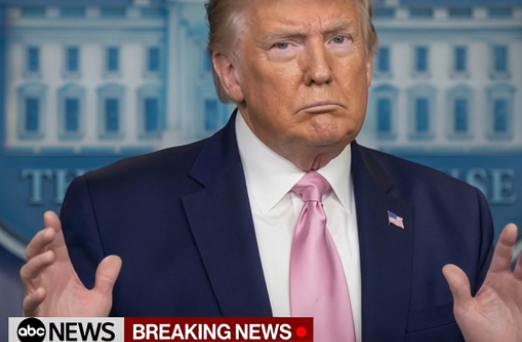
Washington, D.C., is experiencing a period of significant change following President Donald Trump’s decision to expand the federal government’s role in public safety operations across the nation’s capital. The move has prompted widespread discussion as residents, local officials, and law enforcement assess its impact on crime, community relations, and public confidence.
Supporters of the initiative point to early indications that reported crime has declined in several areas since the increased federal presence began. They argue that the deployment of additional federal personnel has strengthened public safety and addressed concerns that residents had voiced for years about violent crime and neighborhood security. Some residents say they feel more comfortable walking through their communities and believe the heightened law enforcement presence has restored a greater sense of order.
Others, however, express concern that the expanded federal operations have introduced new uncertainties. Civil liberties advocates and some community organizations argue that a larger federal law enforcement footprint may create anxiety among certain residents, particularly within immigrant communities, who worry about increased immigration enforcement or misunderstandings during interactions with authorities. Parents and neighborhood groups have also discussed how the changes could affect daily life and community trust.
The expanded federal role has also raised questions about coordination between federal agencies and local law enforcement. While officials have emphasized cooperation among the various agencies operating in the city, some observers note that overlapping responsibilities can present operational challenges and require clear communication to ensure effective policing.
The developments have renewed broader national debate over how governments should balance public safety with civil liberties. Supporters contend that stronger enforcement measures can deter crime and improve quality of life, while critics emphasize the importance of maintaining public trust, protecting constitutional rights, and ensuring transparency in law enforcement operations.
As Washington continues to adapt to the changes, officials will likely monitor crime trends, community feedback, and the effectiveness of the expanded federal presence. The outcome may influence future discussions about the respective roles of federal and local authorities in addressing public safety challenges in the nation’s capital.