Federal Law Enforcement Expansion in Washington, D.C., Sparks Debate Over Security and Civil Liberties
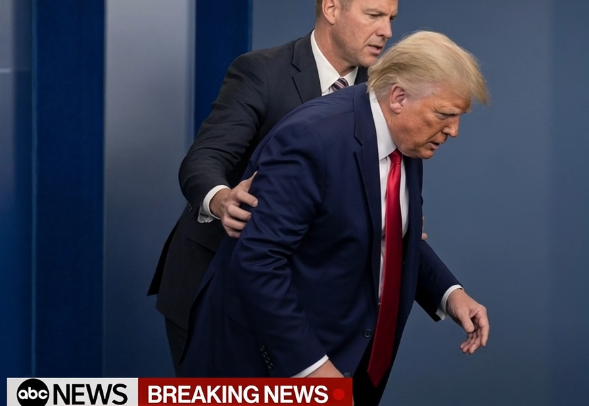
WASHINGTON — President Donald Trump has signed an executive order expanding the federal government’s role in law enforcement operations across Washington, D.C., resulting in a larger presence of federal agencies working alongside local authorities. The initiative includes joint operations involving federal law enforcement personnel, National Guard units, and the Metropolitan Police Department, with the stated goal of reducing violent crime and strengthening public safety.
Administration officials say preliminary data shows declines in several categories of reported crime, including certain violent offenses, following the increased enforcement effort. Supporters argue that Washington’s unique status as the nation’s capital gives the federal government a greater responsibility to help maintain public order when necessary.
Some residents, particularly those living in neighborhoods that have experienced persistent crime, say the expanded law enforcement presence has improved their sense of security. They believe the increased visibility of officers has helped deter criminal activity and restore confidence in affected communities.
However, the operation has also drawn criticism from civil rights organizations, community advocates, and some local officials. Critics contend that the heightened federal presence has created anxiety in immigrant communities and raised concerns about the impact of intensified enforcement on everyday life. Some residents report limiting routine activities out of fear of increased law enforcement encounters.
The expanded operation has also prompted questions about coordination among participating agencies. Some Metropolitan Police Department officers have reportedly called for clearer command structures and operational guidelines during joint missions.
The initiative has renewed a broader national debate over the balance between public safety, civil liberties, and local governance. Supporters view the strategy as a necessary crime-fighting measure, while opponents argue that lasting public safety should be achieved without compromising constitutional rights, community trust, or local control.
As the policy continues, officials, legal experts, and residents will be closely watching its effectiveness and its potential influence on future federal law enforcement strategies in other major U.S. cities.