Vice President JD Vance Delays Pakistan Trip as Iran Talks Face Uncertainty
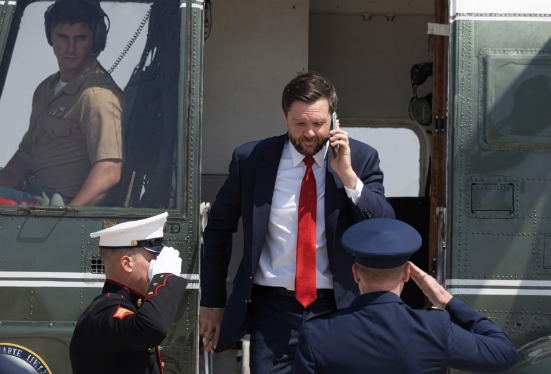
The Trump administration’s diplomatic efforts to address tensions with Iran reached a critical point after Vice President JD Vance postponed a planned trip to Islamabad, Pakistan, where he had been expected to participate in high-level negotiations aimed at advancing discussions on regional security and Iran’s nuclear program.
According to reports, Vance returned to the White House for additional policy consultations as uncertainty remained over whether Iran would send a delegation to the proposed talks. The delay has raised questions about the immediate future of the negotiations, which administration officials have described as an important opportunity to reduce regional tensions.
The postponement follows earlier diplomatic efforts that reportedly ended without a breakthrough. Previous discussions involving Vance, Special Envoy Steve Witkoff, and senior adviser Jared Kushner concluded without agreement after the United States sought commitments from Iran regarding its nuclear program. Iranian officials have not accepted the reported U.S. conditions, leaving significant differences unresolved.
At the same time, military activity has continued alongside diplomatic efforts. According to published reports, U.S. Central Command has maintained increased naval operations in the Gulf of Oman as part of broader efforts to enforce restrictions on maritime traffic involving Iran. Reports have stated that multiple vessels were intercepted or redirected, although military officials have released limited operational details.
Pakistan has continued to play a mediating role in the diplomatic process. Officials in Islamabad have remained in contact with both Washington and Tehran while encouraging continued dialogue and efforts to preserve a temporary ceasefire. Pakistani leaders have emphasized that diplomacy remains the best path toward reducing tensions and preventing a wider regional conflict.
Iranian officials have continued to express skepticism about the negotiations, while President Masoud Pezeshkian has publicly criticized the U.S. approach. Meanwhile, President Donald Trump has signaled that he expects meaningful progress before considering any extension of the current ceasefire, urging Iran to reach an agreement without further delay.
As administration officials continue evaluating their next steps, the future of the proposed talks remains uncertain. Diplomats and international observers are closely watching developments, as the outcome of the negotiations could have significant implications for regional security, global energy markets, and broader U.S.-Iran relations. With the ceasefire approaching its expiration, attention remains focused on whether diplomacy can prevent renewed escalation in the Middle East.