Hillary Clinton Criticizes Trump Administration’s Iran Strategy Following Collapse of Nuclear Talks
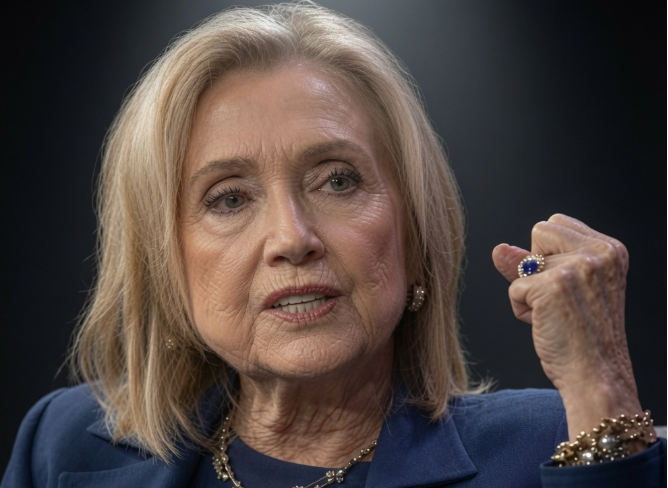
Former Secretary of State Hillary Clinton has called for greater accountability from U.S. leaders while expressing concern that the United States may be in a weaker strategic position following the collapse of recent negotiations with Iran.
In a media interview, Clinton argued that the words and actions of an American president have significant consequences for both domestic politics and international diplomacy. She said national leaders should be held accountable not only for their policy decisions but also for their public statements, emphasizing that presidential rhetoric can influence U.S. credibility abroad and public confidence at home.
“We need to hold leaders accountable for what they say as well as what they do,” Clinton said, adding that effective leadership requires maintaining respect for democratic institutions and preserving America’s standing with allies and adversaries alike.
Her comments followed the reported breakdown of diplomatic efforts aimed at addressing Iran’s nuclear program. The failed negotiations have heightened tensions between Washington and Tehran and renewed debate over the administration’s approach to regional security and nuclear nonproliferation.
Clinton offered a mixed assessment of the administration’s Iran policy. She said she supported a limited military strike on Iranian nuclear facilities earlier in the year, describing it as a narrowly focused action. However, she criticized subsequent policy decisions, arguing that they lacked a coherent long-term diplomatic strategy. Clinton also called for greater involvement from experienced nuclear policy experts in future negotiations.
Drawing on her experience as secretary of state, Clinton said resolving complex international disputes requires sustained diplomacy supported by technical expertise and clearly defined strategic objectives. She also referenced past discussions with Israeli leaders over Iran policy, noting that U.S. administrations have traditionally sought to balance military deterrence with diplomatic engagement.
Clinton warned that the collapse of negotiations could reduce U.S. leverage in future discussions with Iran and complicate efforts to reach a lasting agreement.
The White House strongly rejected her criticism, defending the administration’s foreign policy approach and arguing that its actions are intended to counter security challenges left unresolved by previous administrations. Officials also criticized Clinton’s support for the Obama-era nuclear agreement, maintaining that the current strategy is designed to place greater pressure on Iran while protecting U.S. national security interests.
The debate reflects continuing divisions over the best path toward addressing Iran’s nuclear program and promoting long-term stability in the Middle East.