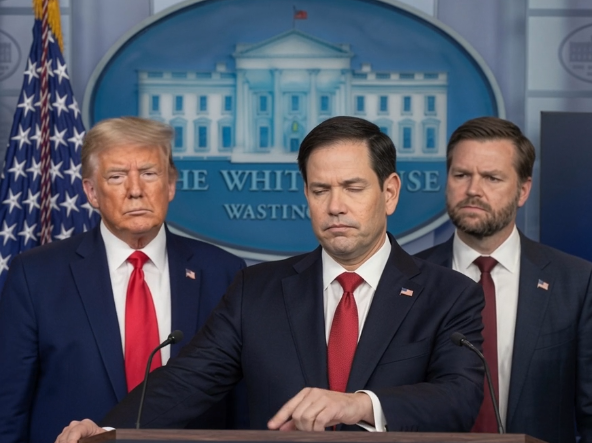
Secretary of State Marco Rubio said Friday that indirect diplomatic efforts aimed at reducing tensions involving the United States, Israel, and Iran have shown modest progress, while cautioning that negotiations remain fragile.
Speaking to reporters, Rubio described recent developments as “encouraging” but emphasized that it was too early to predict a breakthrough. “There’s been a little bit of movement,” he said, adding that he did not want to be “overly optimistic” about the prospects for a final agreement.
According to reports, Pakistan continues to play a mediating role in the discussions. Syed Asim Munir is expected to hold consultations with Iranian officials as diplomatic efforts continue between Washington and Tehran.
Rubio also reiterated U.S. opposition to any proposal that would require commercial vessels to pay fees or obtain authorization to transit the Strait of Hormuz. He argued that such a system would undermine international shipping, complicate diplomatic negotiations, and violate established international maritime principles.
The Strait of Hormuz is one of the world’s most important energy corridors, carrying a substantial share of global oil exports. Any disruption to shipping through the waterway has the potential to affect energy markets worldwide. Rubio warned that if Iran proceeds with measures restricting maritime transit, the United States and its allies would consider alternative responses.
Regional tensions remain elevated as fighting continues between Israel and the Iran-backed Hezbollah despite previous ceasefire efforts. Meanwhile, the European Union announced plans to expand sanctions targeting individuals and entities involved in any disruption of navigation through the Strait of Hormuz, describing such actions as contrary to international law.
Separately, Bret Baier said President Donald Trump expressed cautious optimism about reaching an agreement with Iran. Baier also cited Iranian state media reports describing a proposed maritime regulatory framework for the Strait of Hormuz, a development that could become a central issue in ongoing diplomatic negotiations.
Diplomatic contacts are expected to continue as regional and international leaders seek to reduce tensions while addressing security concerns and ensuring the uninterrupted flow of global commerce.