Fact-Checking the ‘Trump Shot Again’ Rumors: Dissecting Social Media Misinformation and the Reality of Presidential Security
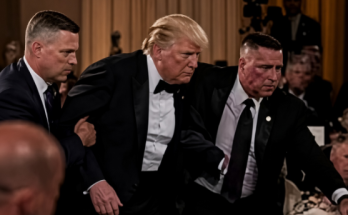
In the contemporary digital landscape, the speed of information often outpaces its accuracy, a reality underscored by recent viral claims suggesting that President Donald Trump was “shot again” in Washington, D.C., or at the White House. As a matter of journalistic integrity and factual record, there is currently no credible evidence or reporting from any major news organization—including the Associated Press, Reuters, BBC, or The New York Times—to support these sensational assertions. These claims frequently originate from YouTube videos and social media posts designed with clickbait titles to trigger emotional reactions and drive engagement through shock value.To navigate this wave of misinformation, it is essential to distinguish between fabricated headlines and the single verified shooting incident involving the former president. On July 13, 2024, during a campaign rally in Butler, Pennsylvania, Donald Trump was indeed the target of an assassination attempt. In that confirmed event, a gunman positioned on a nearby rooftop fired an AR-style rifle, resulting in a graze wound to the president’s right ear. While the United States Secret Service neutralized the threat immediately, the event was a national tragedy, claiming the life of one rally attendee and injuring others. This remains the only documented instance of Trump being struck by gunfire in recent history.Much of the current confusion stems from the deliberate misrepresentation of separate security incidents. For instance, in September 2024, a security scare occurred near Trump International Golf Club in Florida. While Secret Service agents did respond to a potential threat and shots were fired in the vicinity, Trump was not harmed and was not a direct victim of a shooting. Similarly, reports of a shooting involving National Guard members near the White House have been conflated with the president’s personal safety. Although Trump commented on the tragedy—which resulted in the death of one individual—he was never in personal danger during that specific event.The mechanism of this misinformation is rooted in the architecture of platforms like TikTok, X (formerly Twitter), and Facebook. Algorithms prioritize content that provokes fear or outrage, allowing unverified claims to go viral before professional fact-checkers can intervene. Sensational phrases such as “breaking news” or “minutes ago” are weaponized to bypass the critical thinking of users. Furthermore, some creators use recycled footage from the Pennsylvania rally or unrelated diplomatic events—such as discussions regarding Thailand and Cambodia—to create a false sense of urgency and chaos.For the public to remain accurately informed, it is vital to rely on outlets with rigorous editorial standards like PBS, CBS News, and The Washington Post. An event as significant as an attack on a U.S. president would trigger immediate, global, and uniform coverage across all reputable platforms, accompanied by official statements from the Secret Service and the White House. In an era where information moves instantly, the distinction between being updated and being informed lies in the source of the data. Currently, all claims of a new shooting involving Donald Trump are demonstrably false and lack any corroboration from the legitimate fourth estate.